Box of Light is made possible thanks to these visionaries:



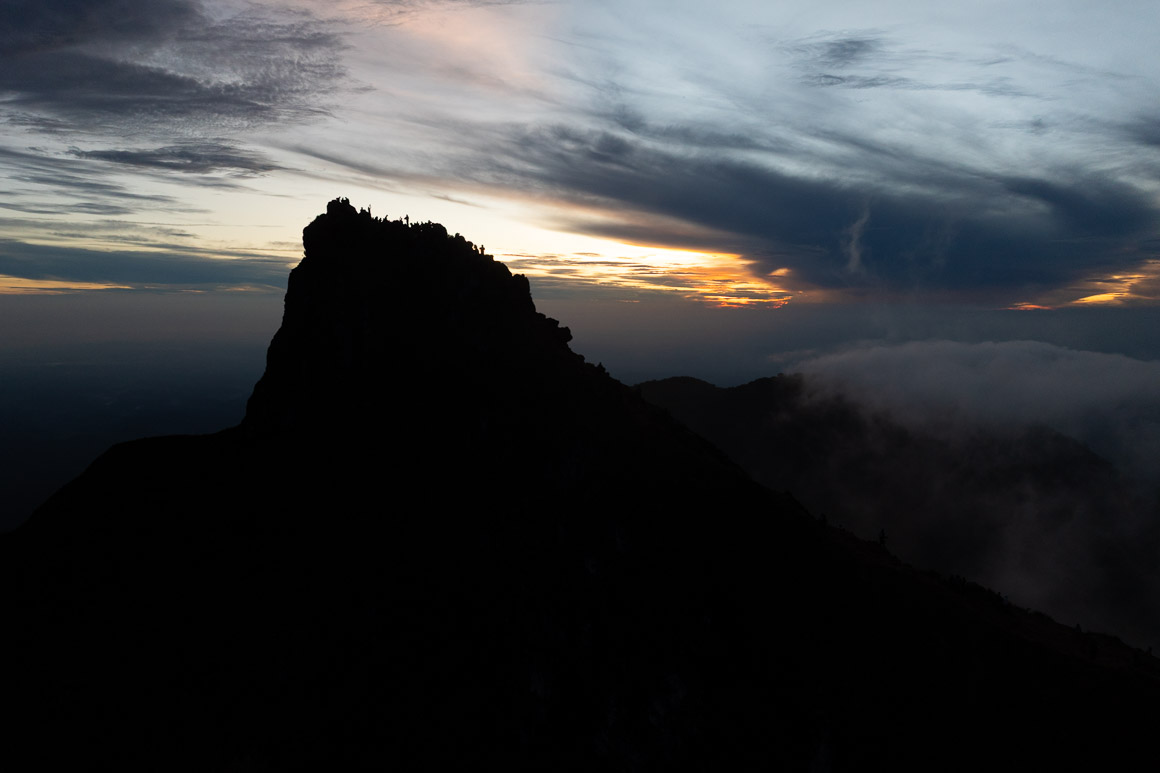
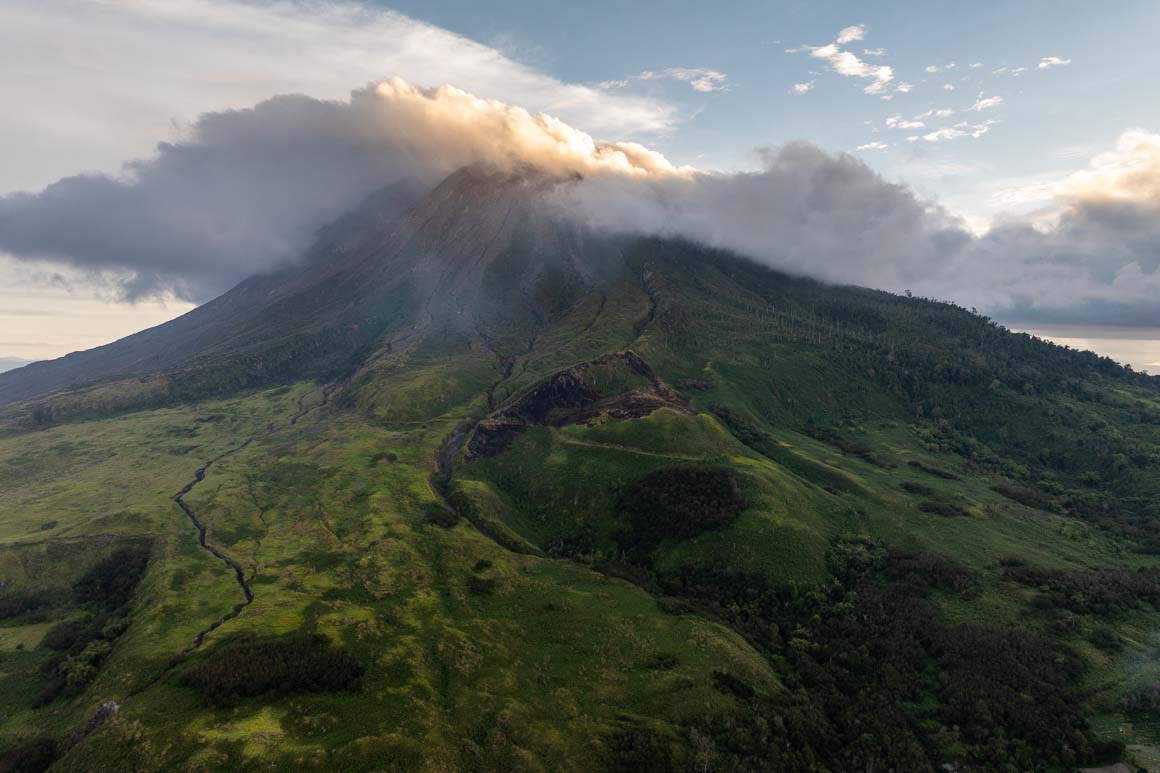
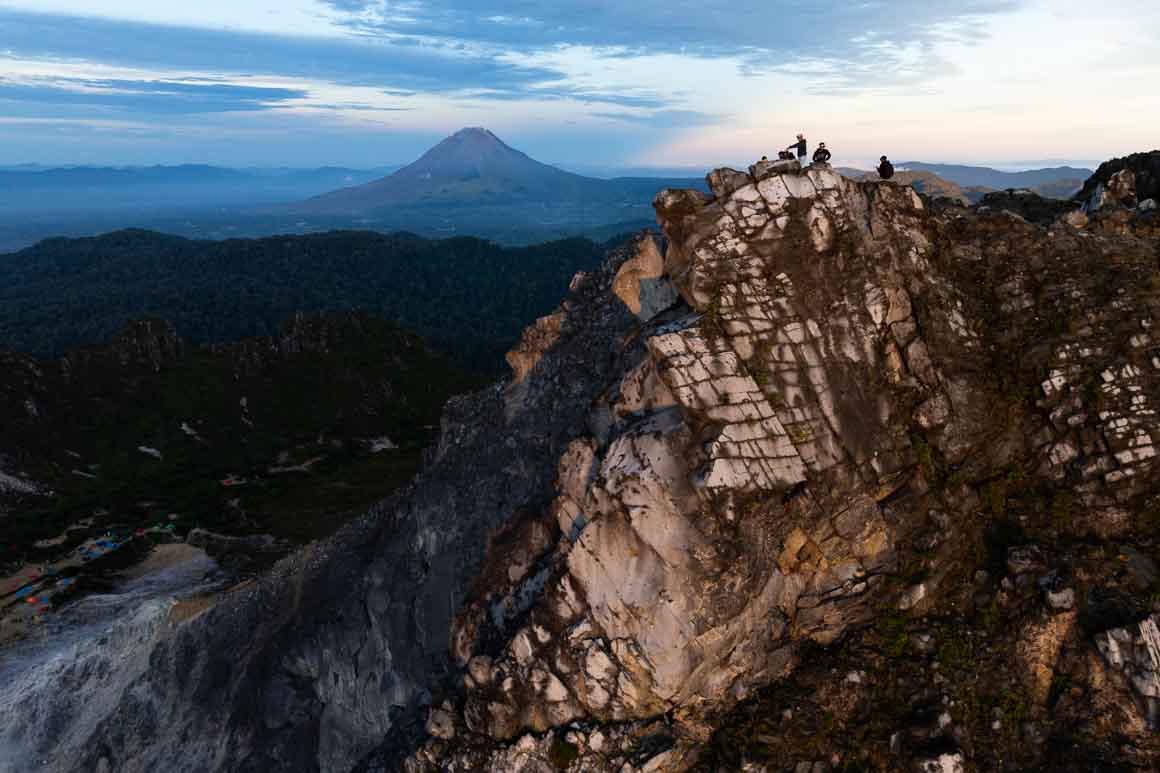
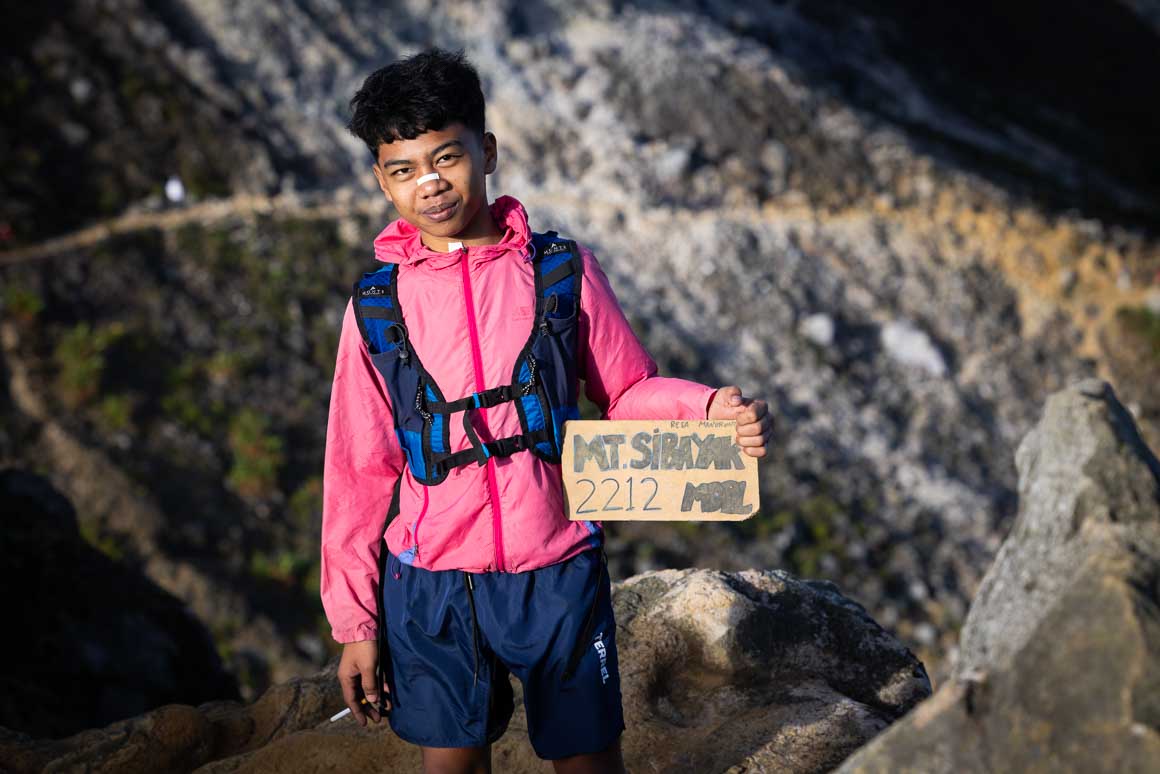
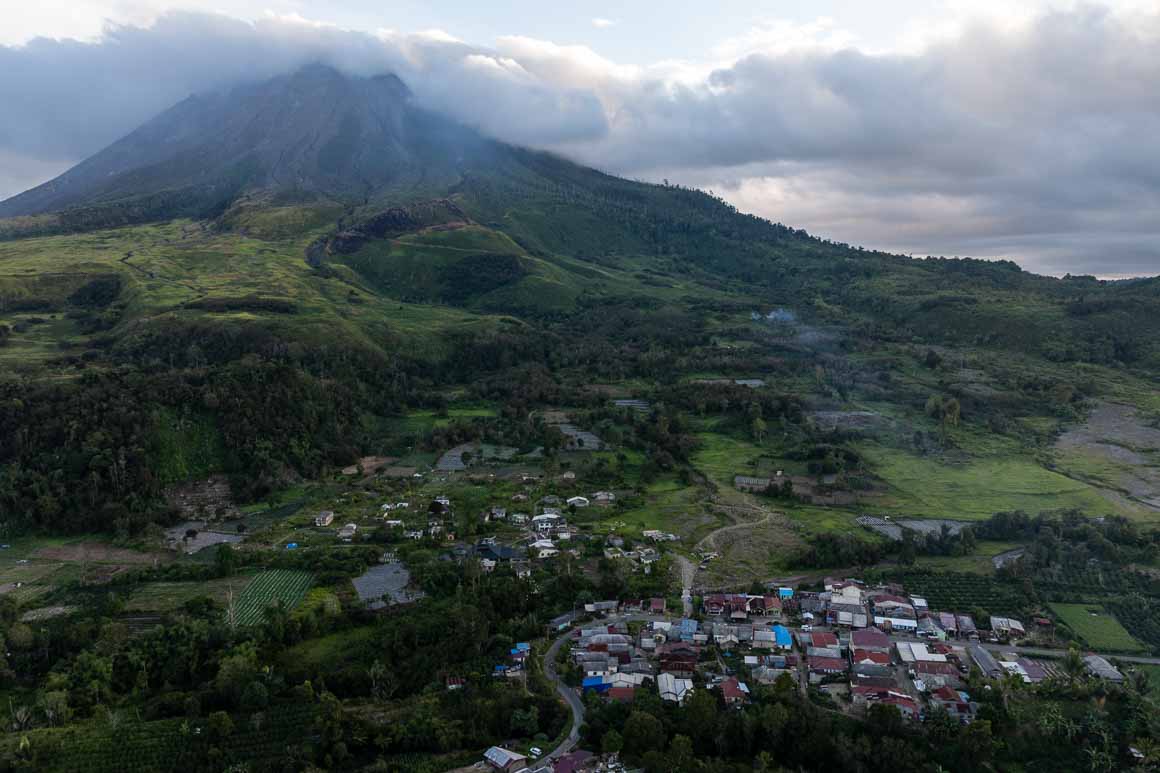
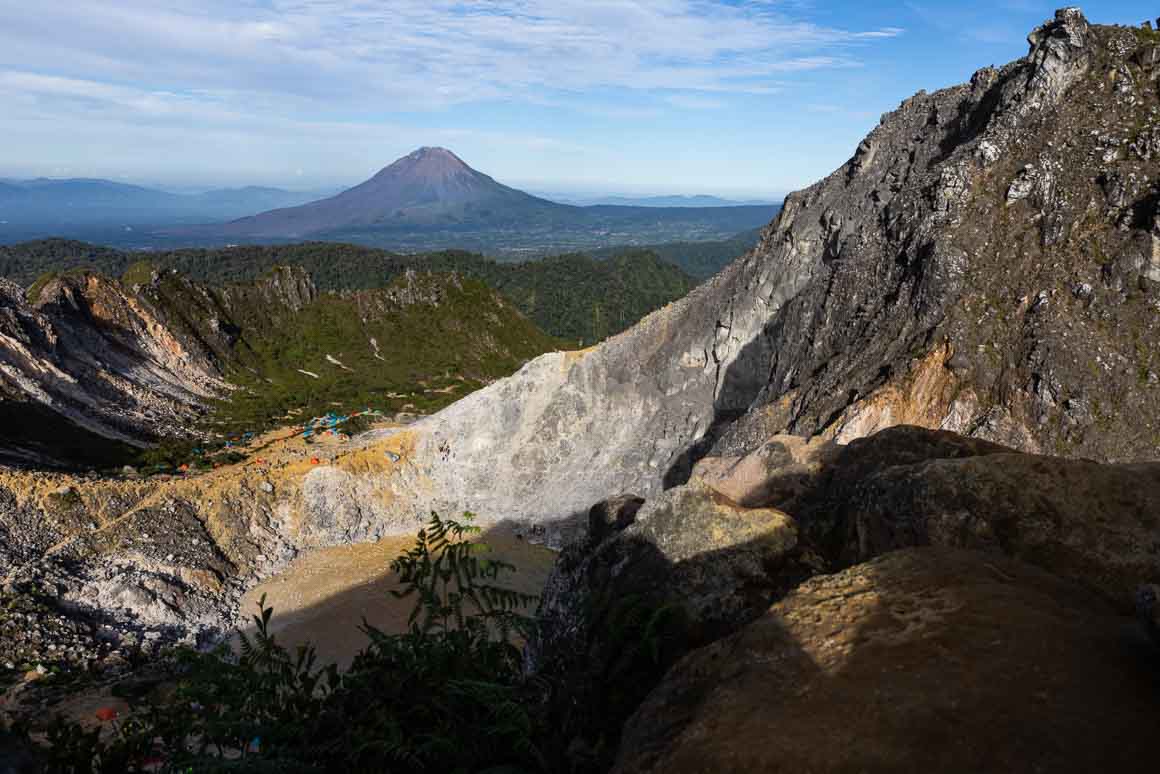
I've always enjoyed exploring New Zealand's volcanoes and volcanic landscapes, so the chance to climb a volcano at dawn in Northern Sumatra had instant appeal. Mt Sibayak stands at 2212m tall and offers incredible views across the volcanic landscape of the Karo Regency, including the nearby super active and off-limits Mt Sinabung (2460m ... and growing).
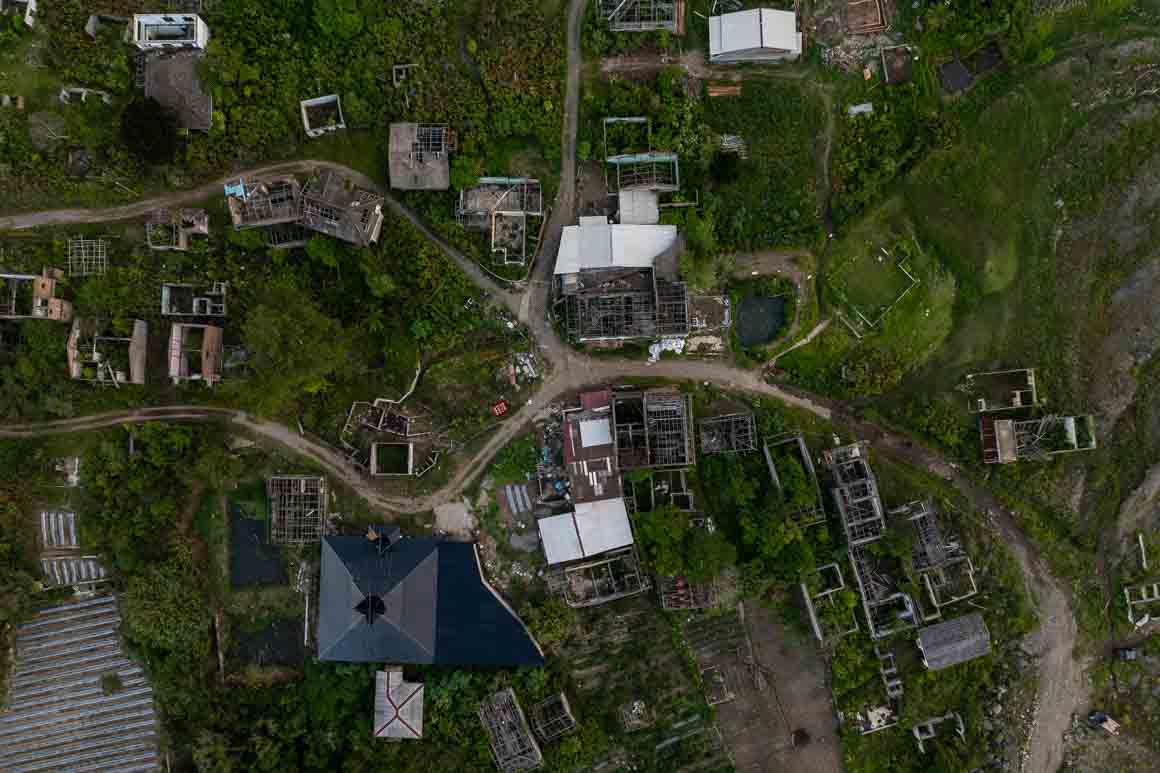
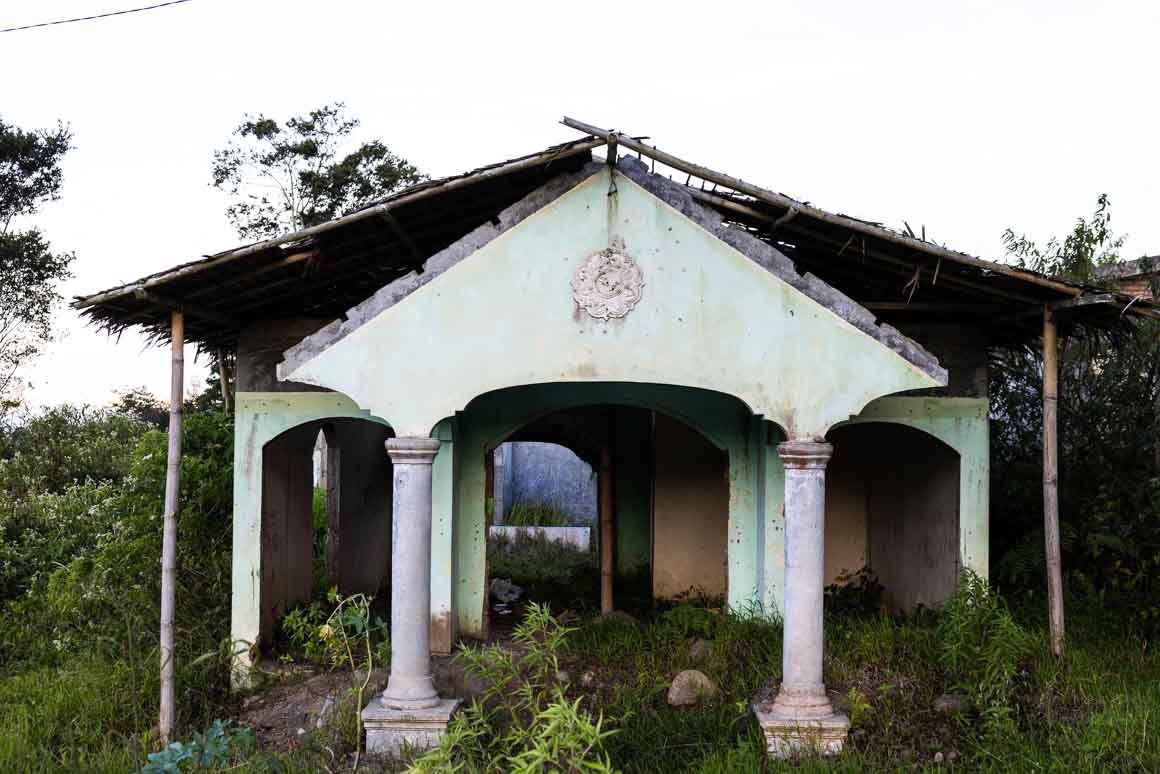
Mt Sinabung used to be climbable, but in August 2010, after 400 years of dormancy, it erupted and has been active ever since. We saw one village at the base of Mt Sinabung that had a large area of abandoned homes and buildings – locals choosing to retreat across the small river to escape years of hazardous pyroclastic flows and lava activity from the summit. The ghost town is an eerie reminder of the mountain's tempest.
The volcanoes here are a lot like those of our Central Plateau – Mt Sinabung almost identical to Ngauruhoe or Taranaki. Mt Sibayak reminds me of Mount Tongariro.
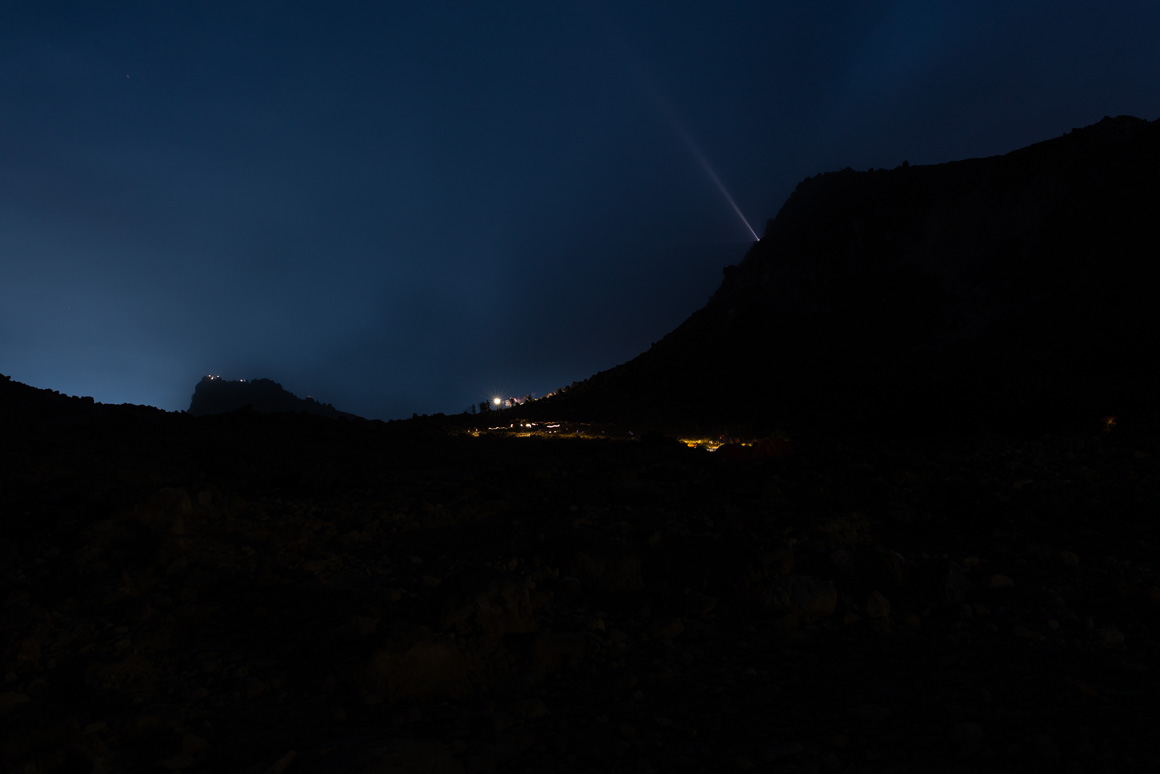
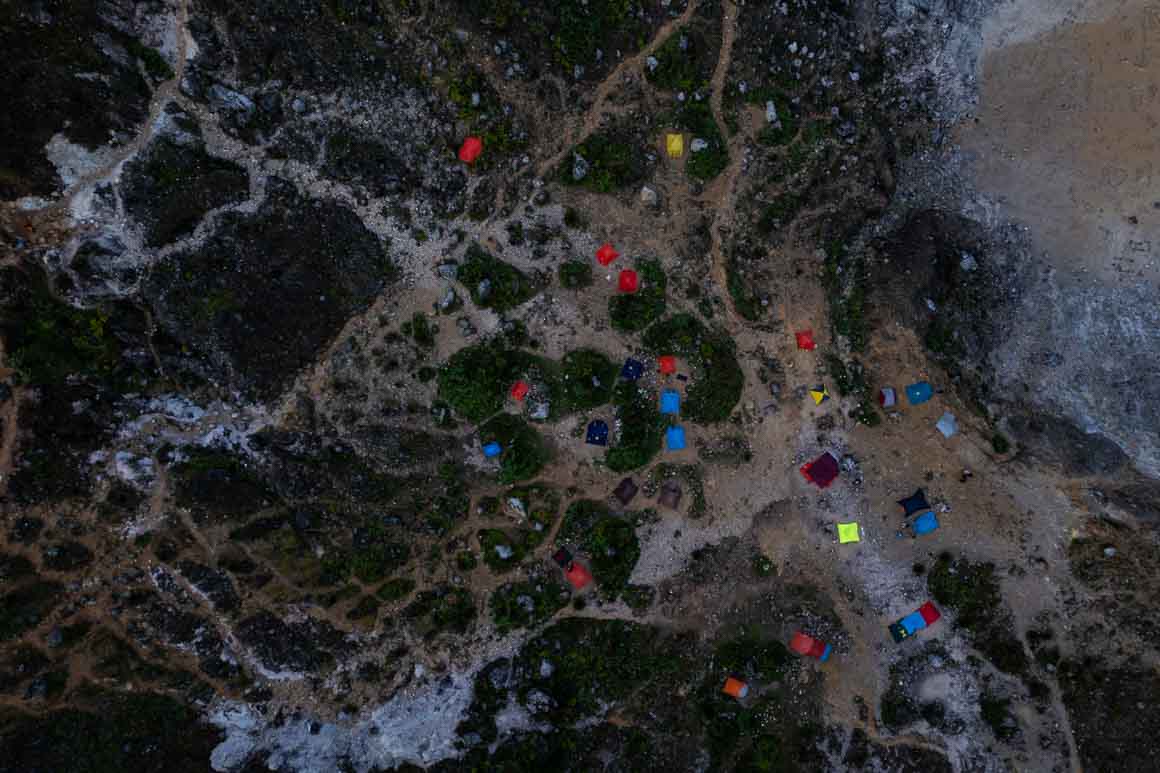
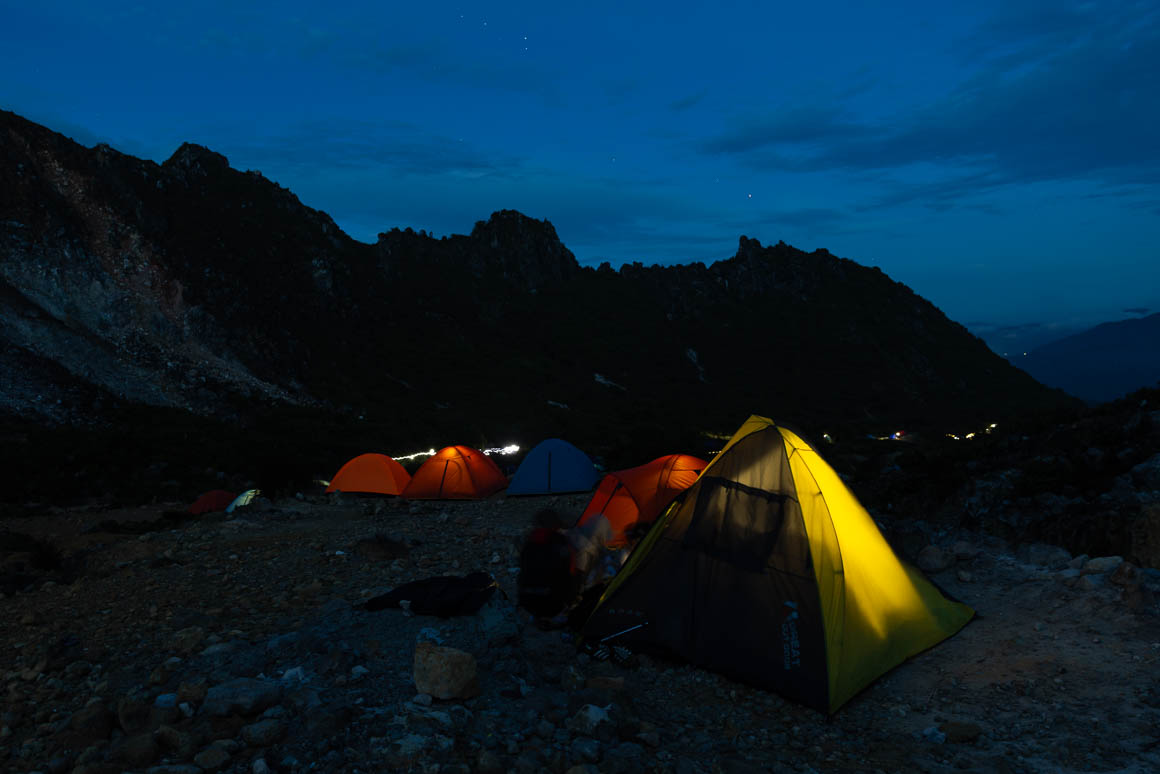
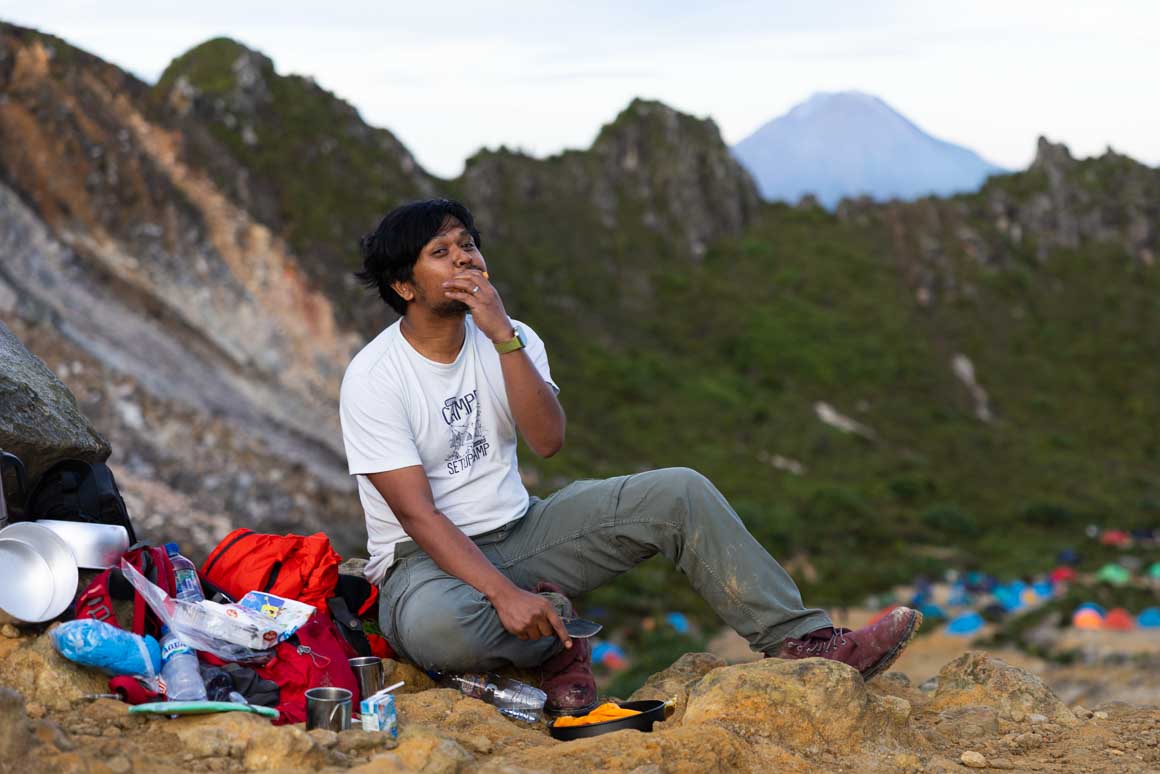
Our climb begins at 4am, so we can summit around sunrise. It's an easy climb up along a well-worn series of tracks. Probably the most surprising thing for me is how many people are doing the climb. It is during an Indonesian holiday, and so the place is buzzing. Along with the procession of walkers, we soon discover hundreds of tents and campers at campsites near the crater. Though I am one of only a handful of foreigners on the climb, the feeling of excitement is evident in the smiles, laughter and banter along the way.
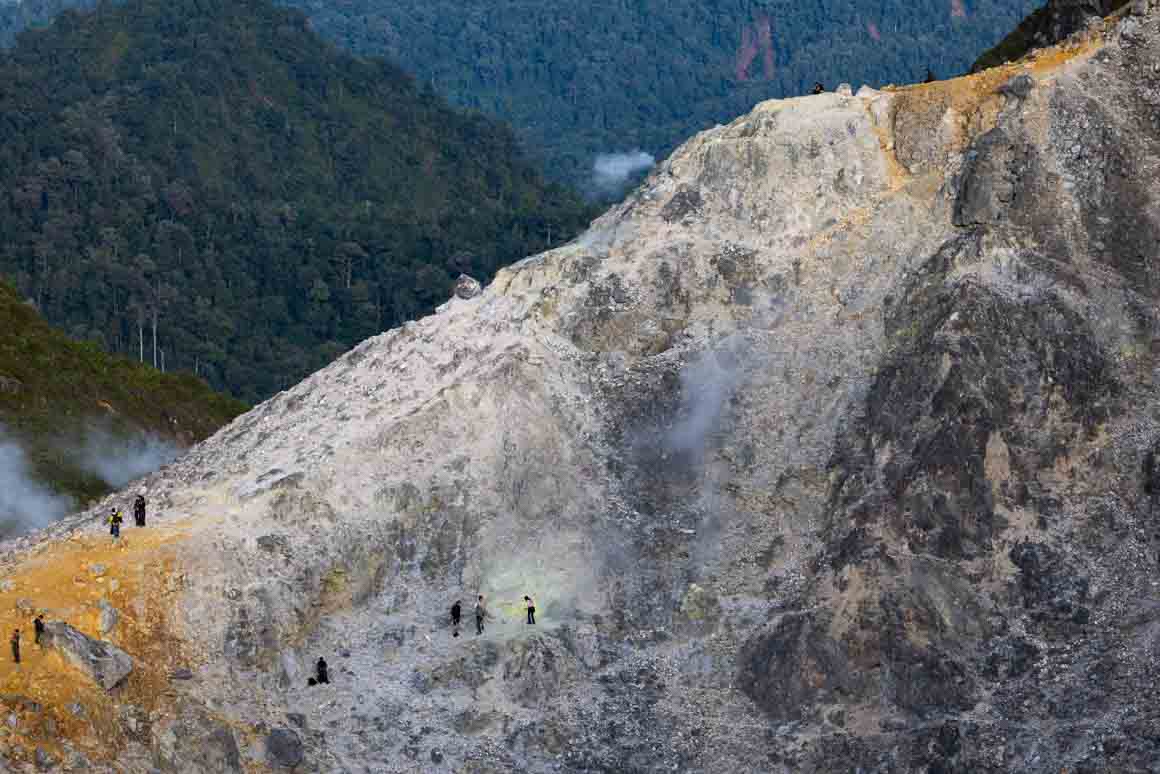
Three distinct peaks encircle the crater itself with active vents hissing and roaring from lots of fissures stained bright yellow by sulphur. I choose the far peak, but soon discover it is standing room only on the top. The final approach is a slippery clay scramble. I'm not surprised to learn so many people fall off the summits or get lost navigating back to the valley floor way below.
My guide, Yudha, was called on to help search for missing Japanese climber Yamada Kosei back in March 2013. Yamada had been missing for four days when Yudha found him alive and brought him down safely. Four have gone missing up there and have never been found.
I found it quite confronting to reflect on the events of December 9, 2019, at Whakaari White Island when 22 people lost their lives in the phreatic eruption there. On Mt Sibayak, visitors wander between roaring fissures, stand near vents to get photos, and arrange stones on the dried crater mud flats. I remember exploring Whakaari's craters and geothermal vents years before the eruption and recall that uneasy feeling of being insignificant in that landscape. Even when I watched Mt Ruapehu erupt on September 23, 1995, that feeling of power, in a landscape you know well, it changes you. It reframes how you see the world and our place within it.
See you at the beach, Derek
PS Want to visit Indonesia's volcano country with me in 2027? I have a Northern Sumatra photo expedition planned for August. This tour will include the orangutans of Bukit Lawang, volcano country of the Karo Regency and the supervolcano of Lake Toba. Full details available here.
Box of Light is made possible thanks to these visionaries: