Box of Light is made possible thanks to these visionaries:



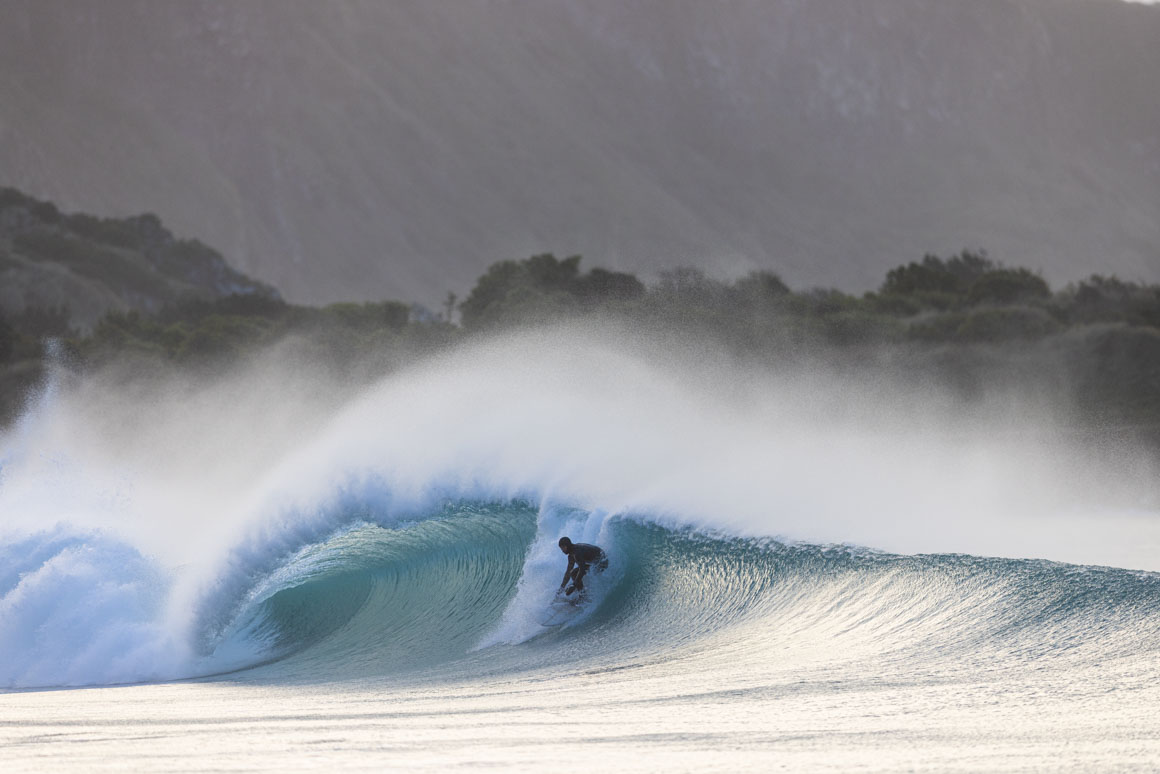
We'd been tracking the east swell from late last week and across the weekend. Its forerunners were relatively weak and left a little bit to be desired. But we made the most of them over the weekend – knowing that Monday would be the day to give chase. It was a bit cruel for our surfing tamariki who had to return to school after their holidays – skipping the peak of the swell.
However by Monday morning the wind forecast had increased and windows that hinted at rare surf spots turning on were dashed. Instead the southwest wind was forecast to increase to untenable levels and would effectively ruin the swell we had so patiently waited for.
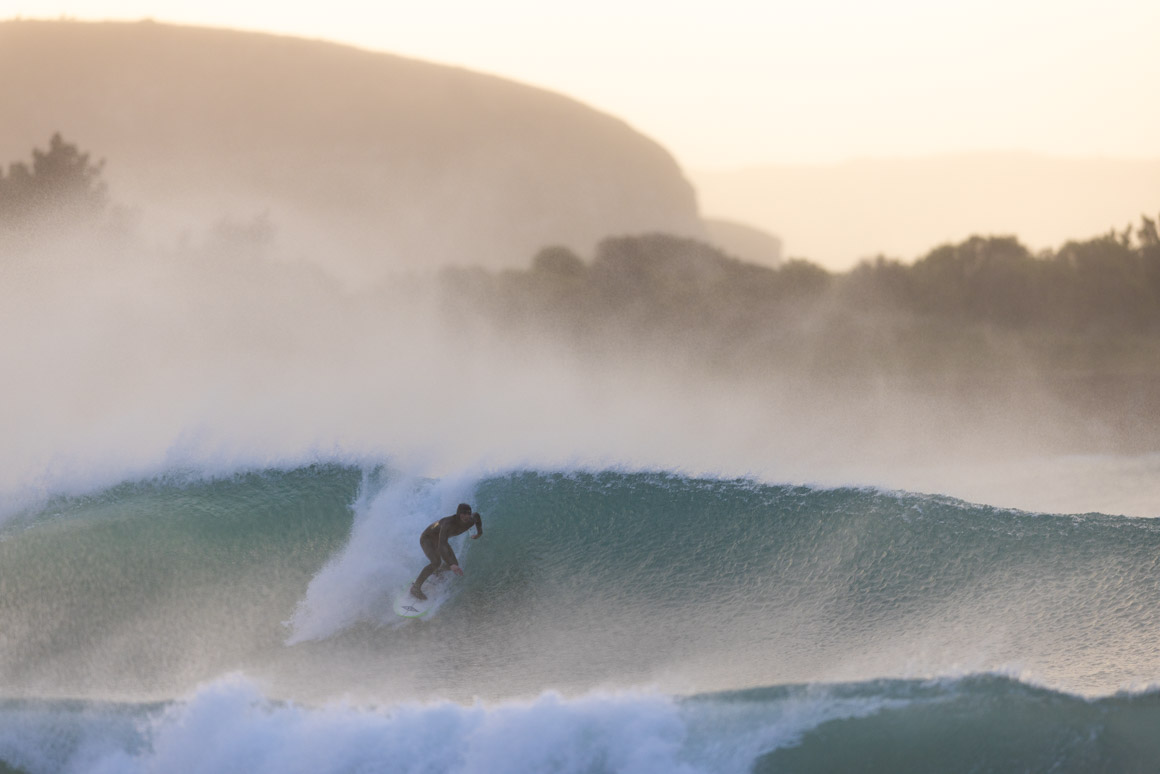
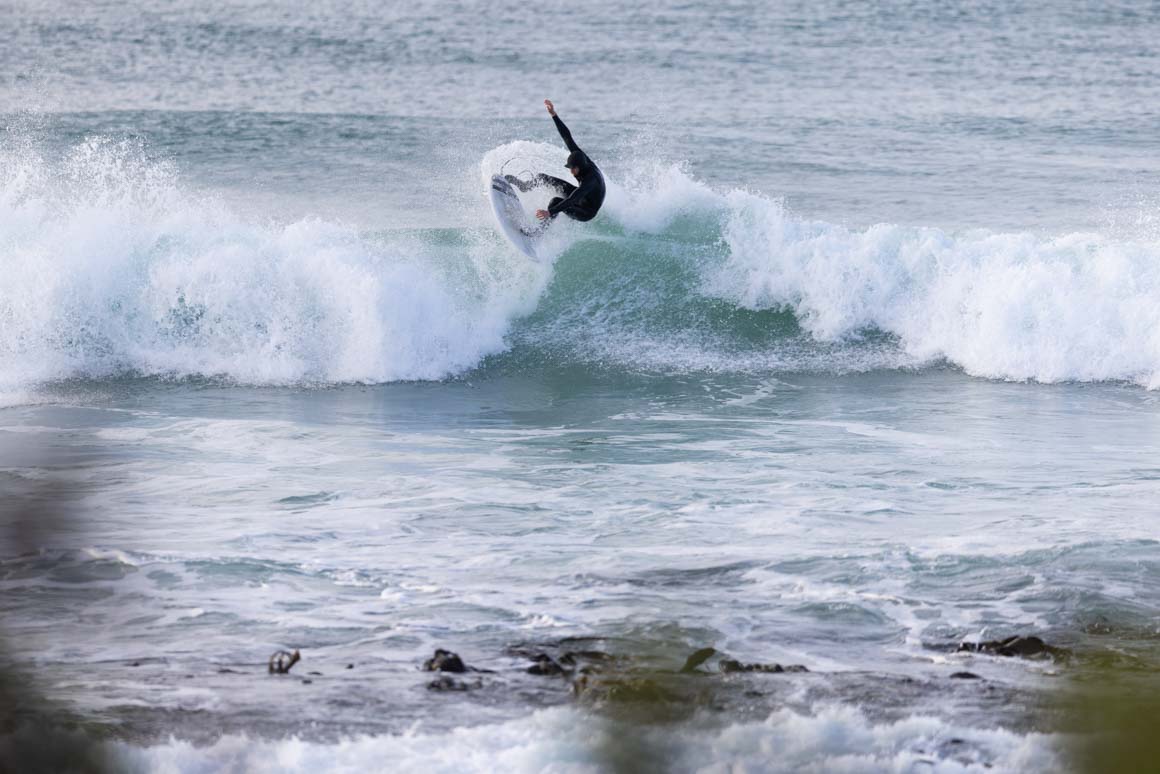
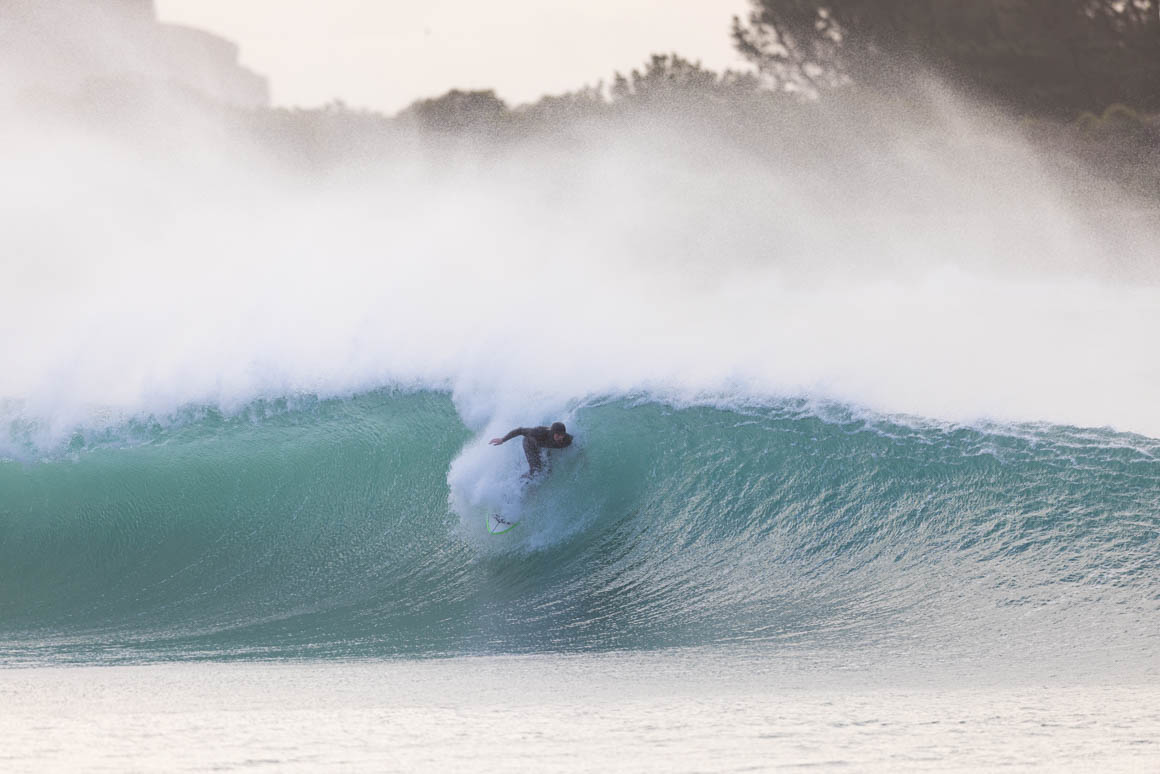
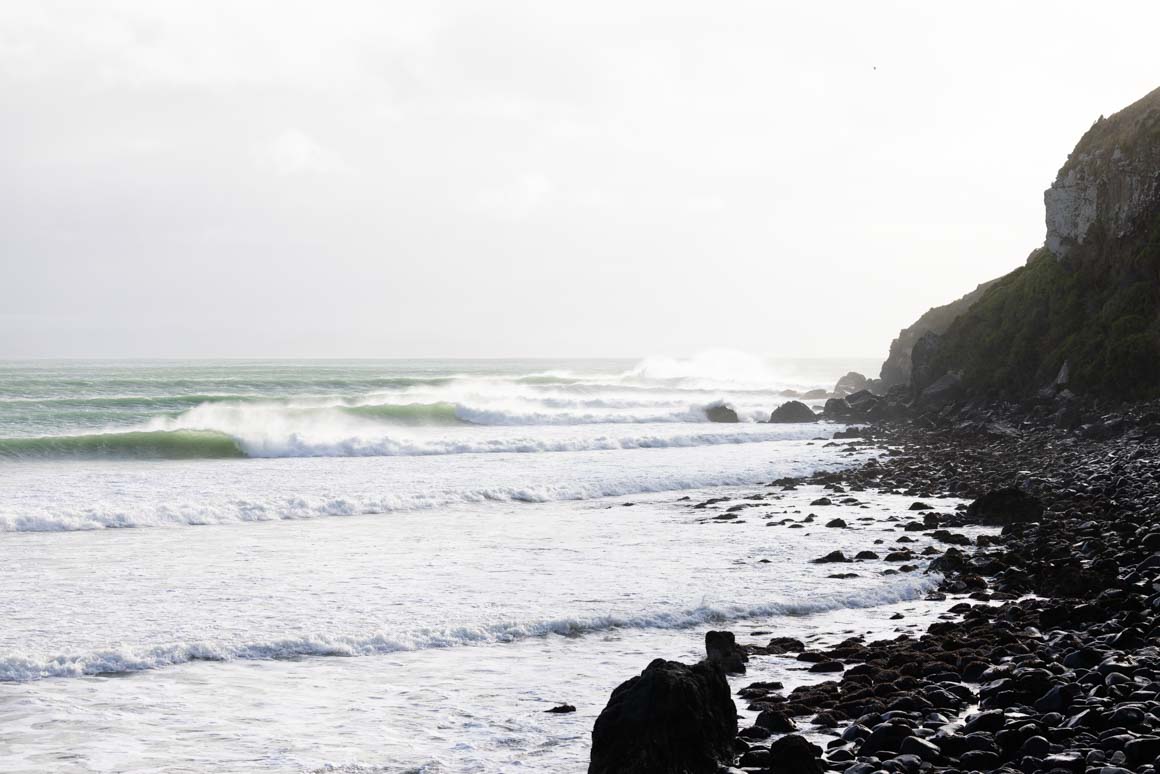
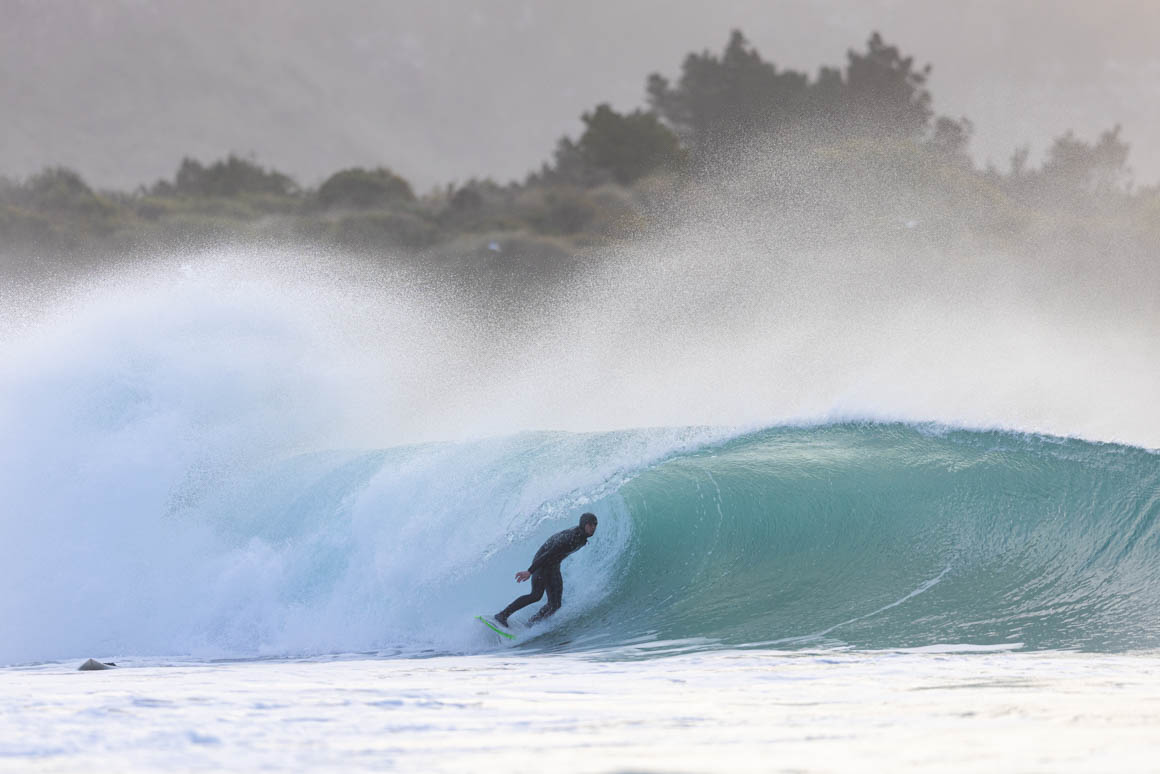
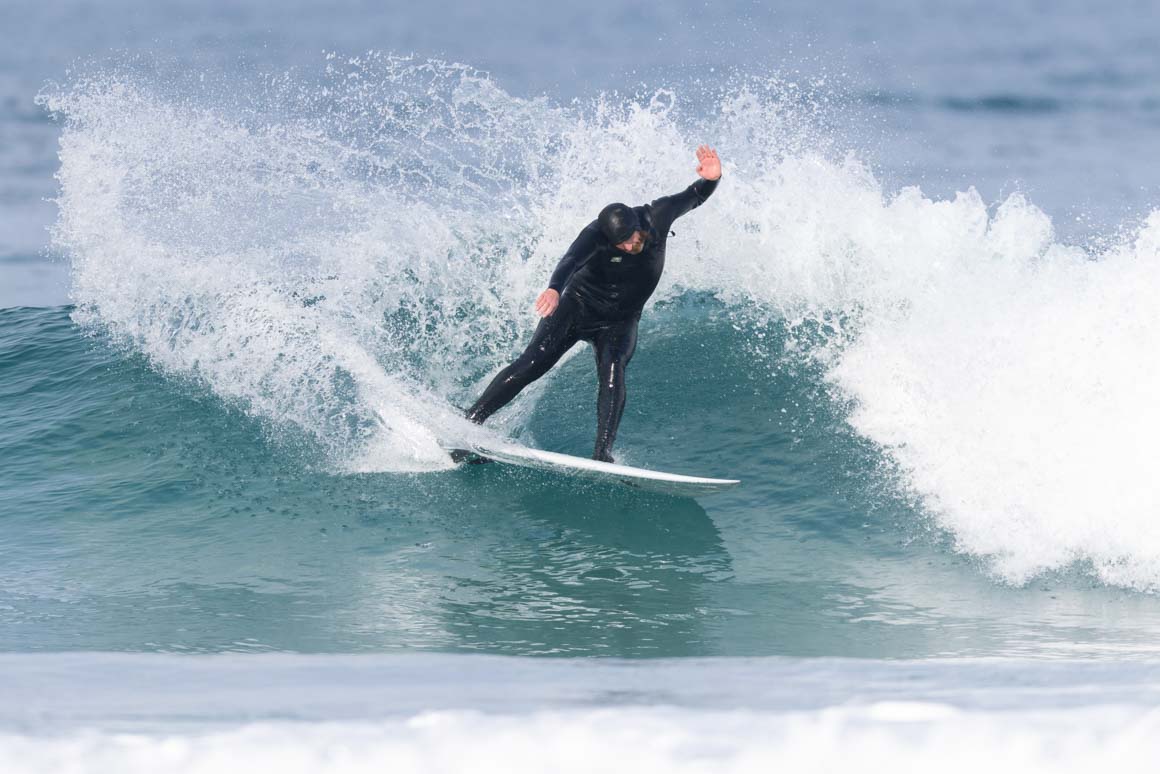
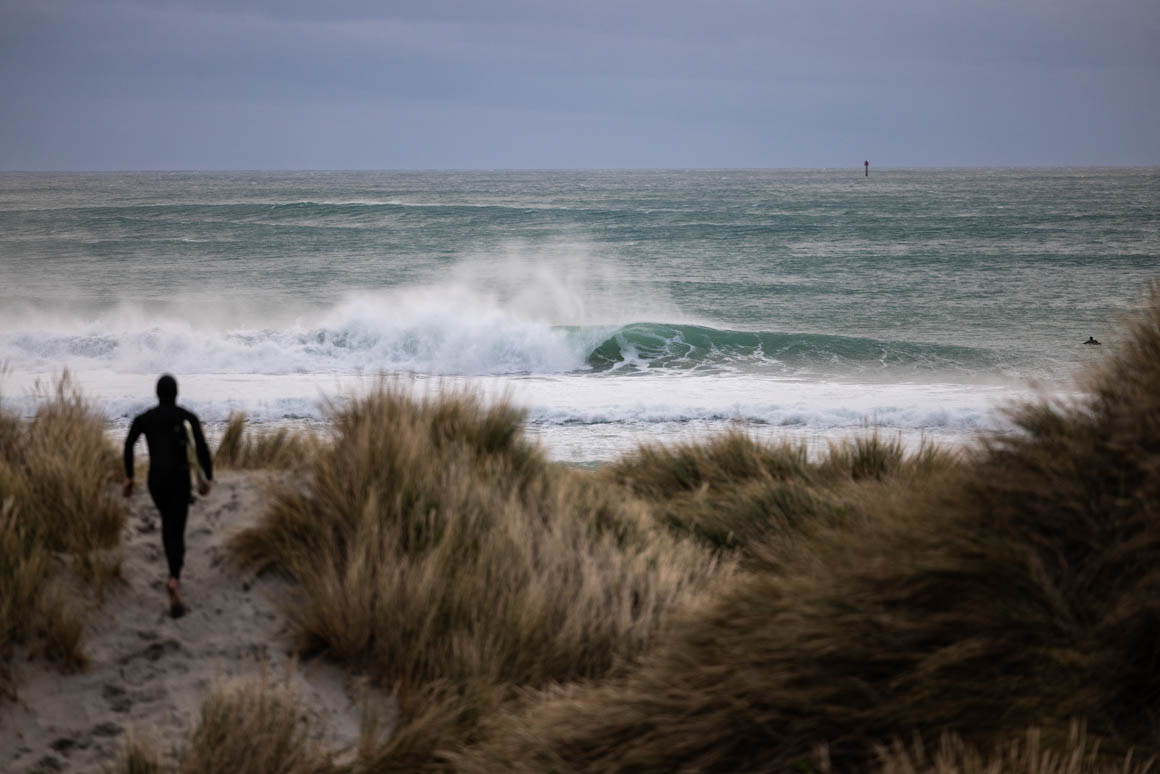
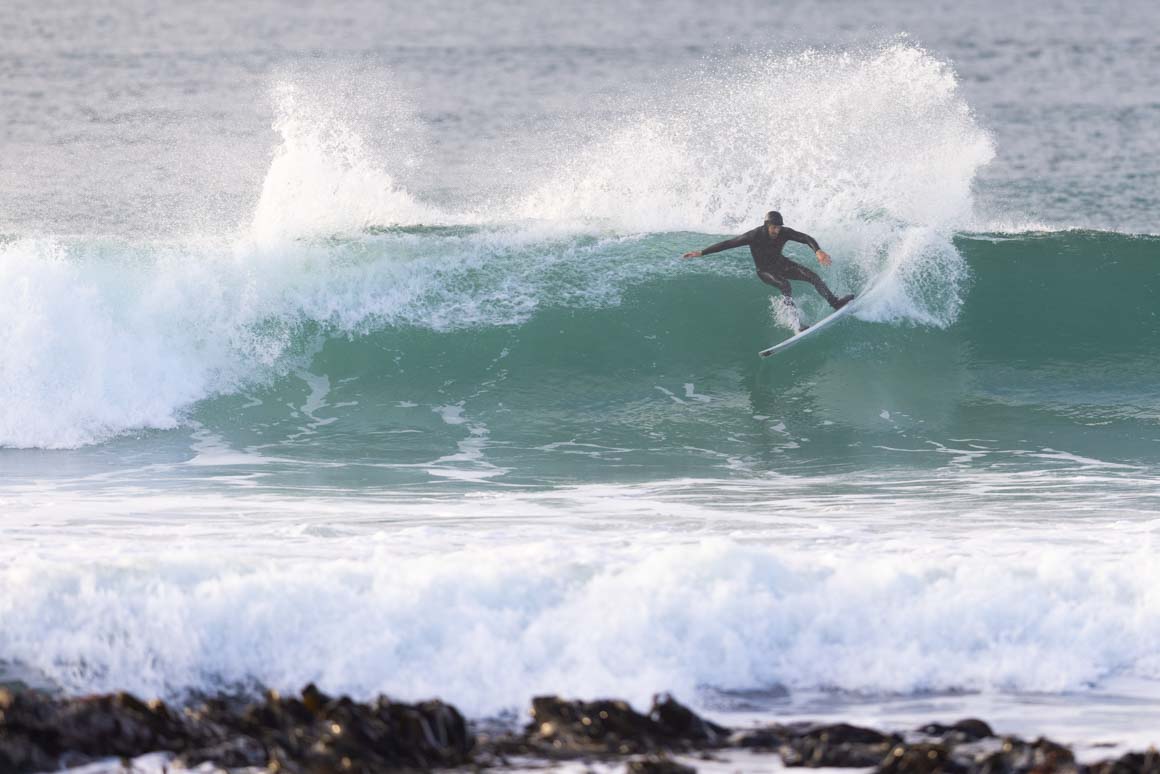
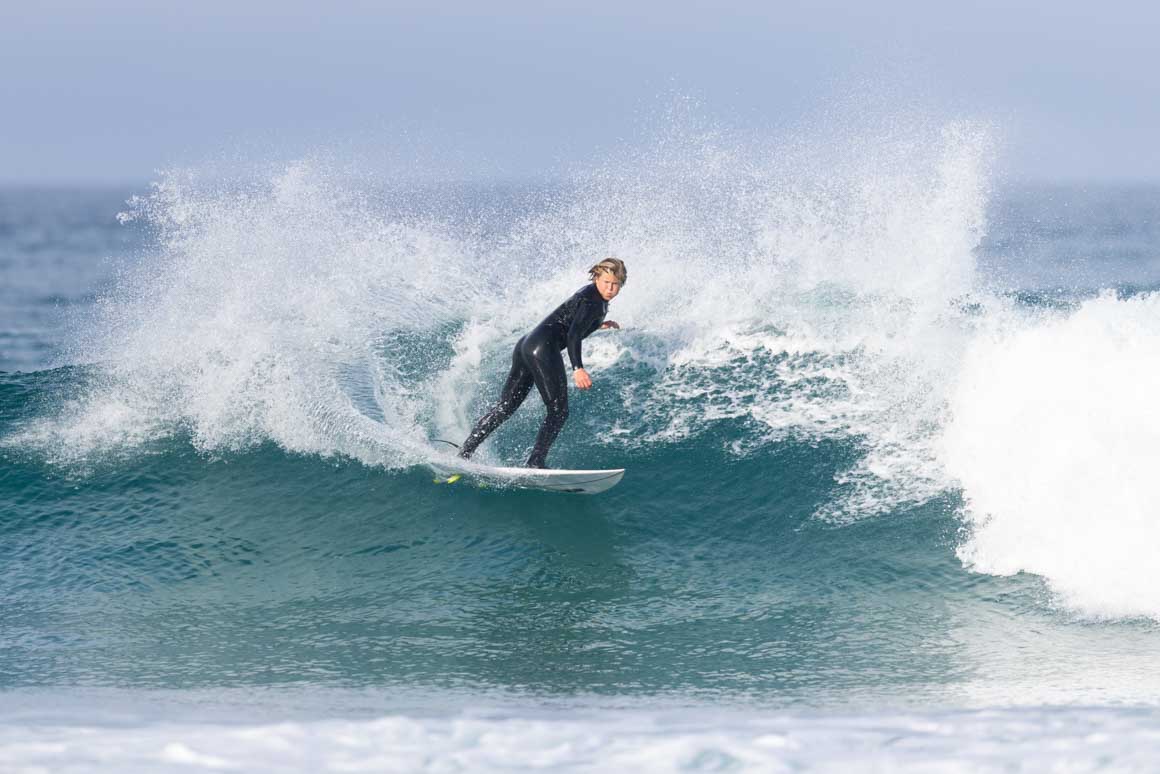
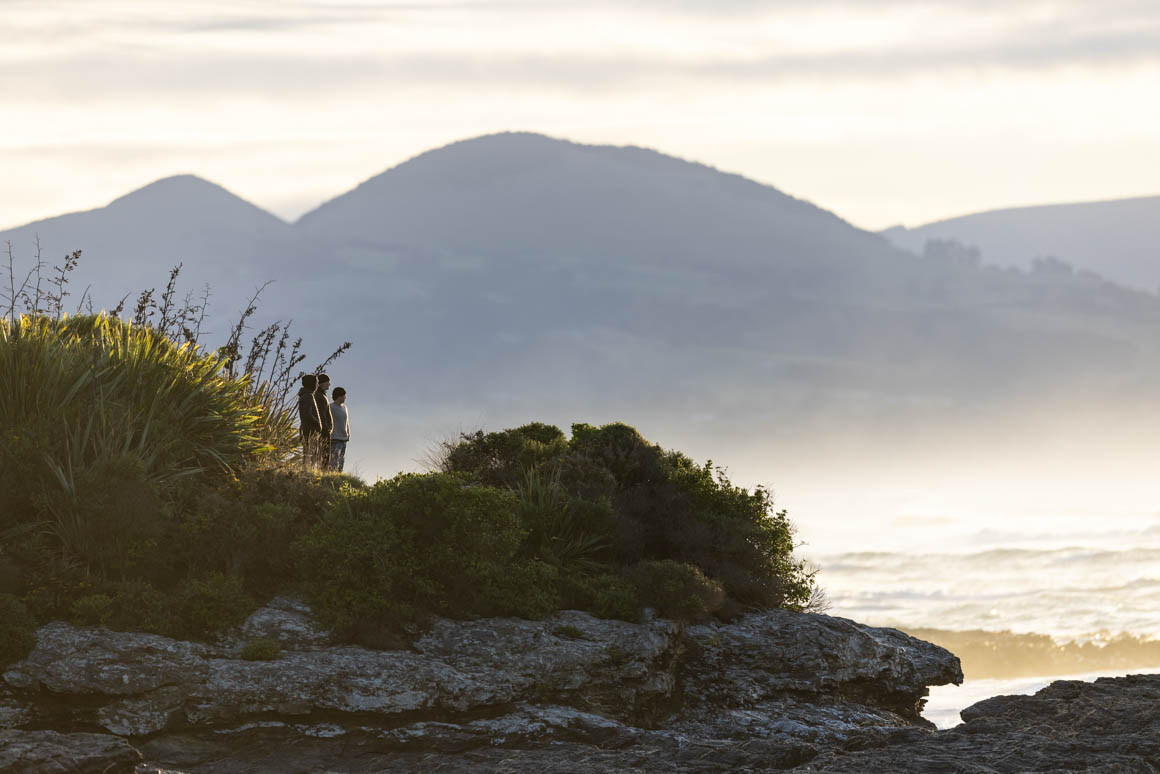
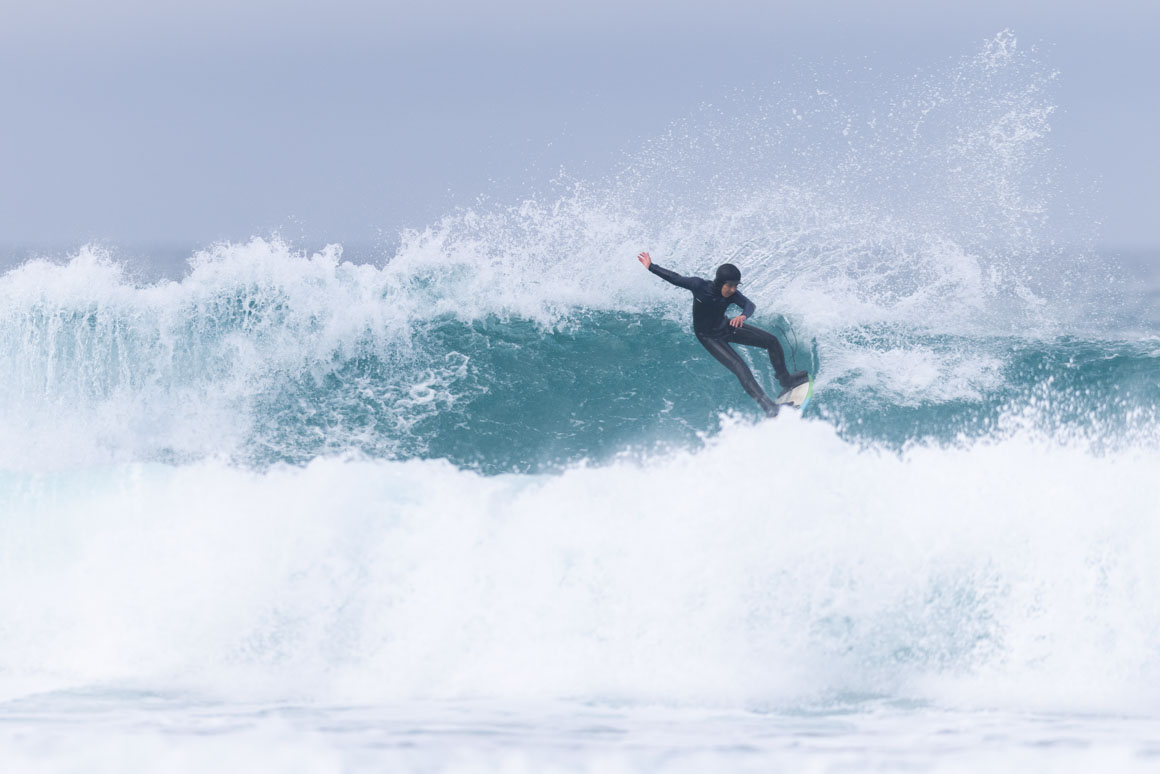
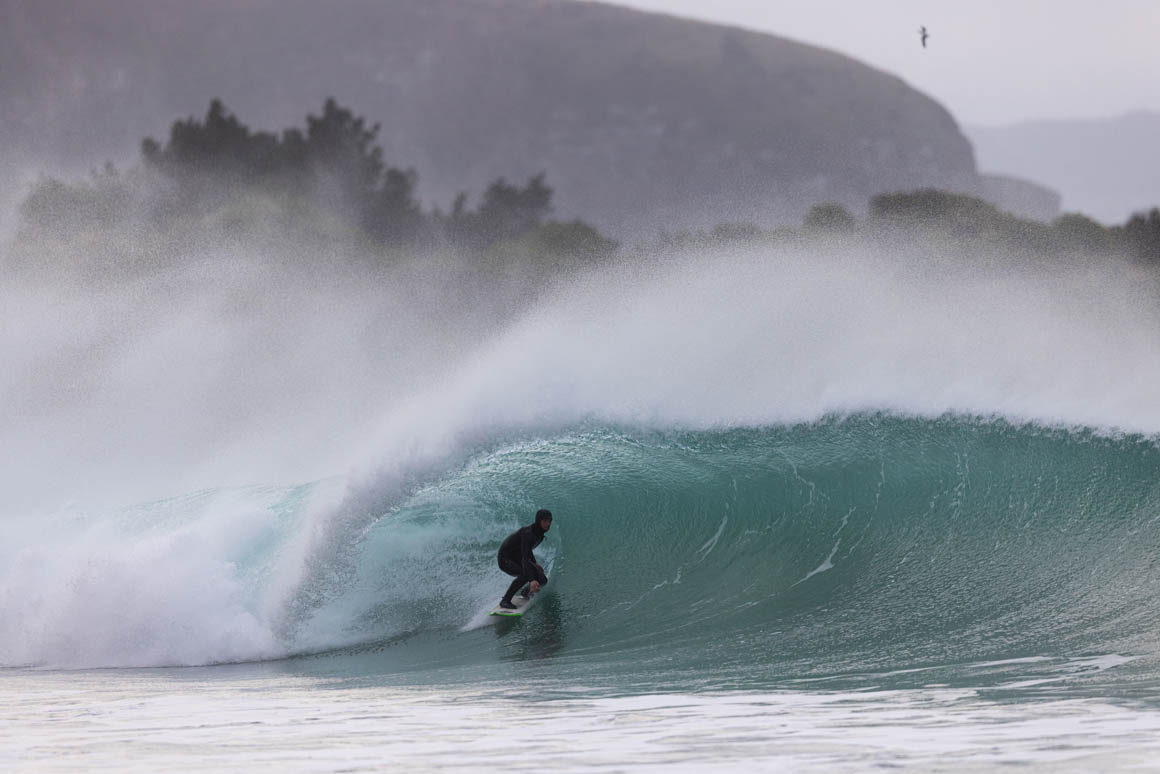
We gave chase anyway and I'm glad we did. Taira, who is interning with me from Maine, USA, was keen to see what a proper swell looked like on the north coast. Aramoana was copping the full brunt of the wind and almost unsurfable. Whareakeake was a maelstrom. But in between the gusts a few nice waves existed along the north coast.
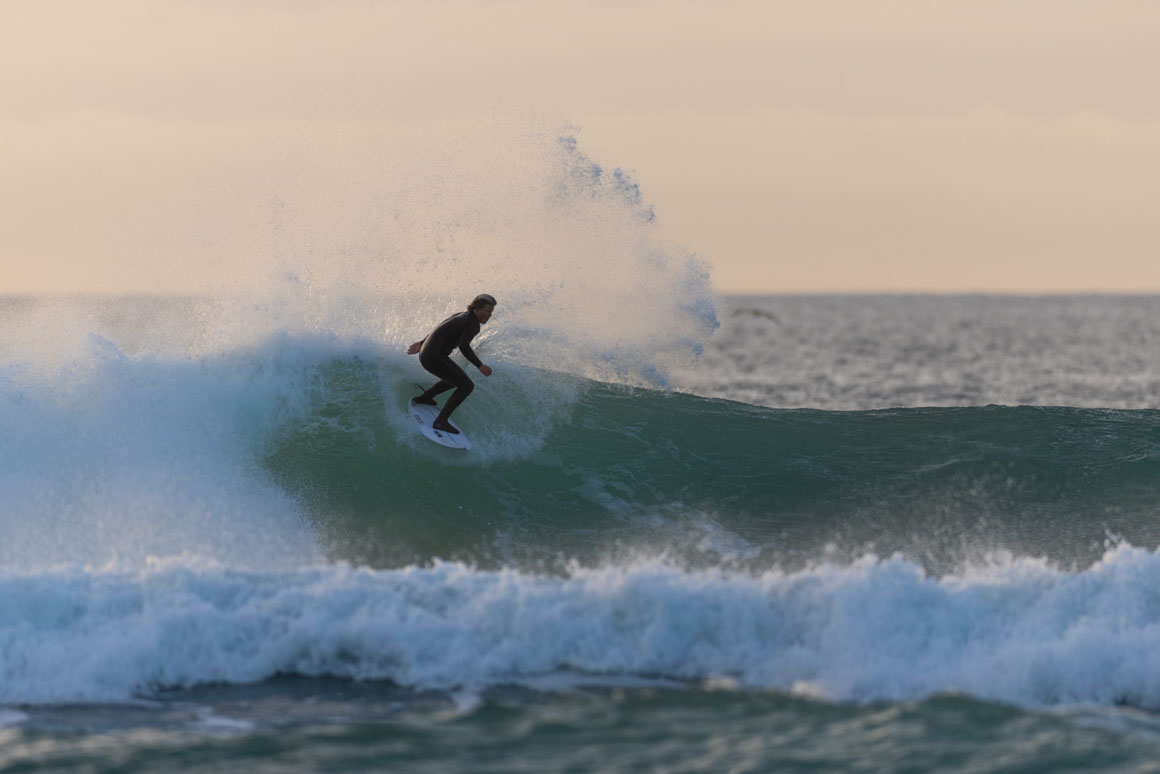
We managed to find a few corners that could handle the wind and battled with it at other spots. We even met up with Elliott Brown who was also on the hunt. He had found a sheltered corner with some amazing waves. By the end of the day we were all smiling.
See you at the beach ... Derek
PS Last week we described how a high pressure system presses the ocean down and we talked about how that also increased the rate of decay of swell energy. However, an eagle-eyed meteorologist friend of ours, Ben Matson, the surf forecaster from Swellnet, pointed out that swell energy travels within the water column so is not affected by the added pressure of a high. "Atmospheric pressure has only a relatively small influence on water levels (1040hPa high pressure system pushes the surface down by around 27cm), whereas swell energy extends hundreds of metres below the sea surface," Ben explains. "Depth is proportional to swell period – long period swell energy can reach 350-400m in depth. As for swells losing energy over time, that's just called wave decay." Ben added that 1 cubic metre of atmosphere at sea level weighed almost 1kg, and for every 10hPa change in surface air pressure you'll get a 10cm change in sea level. Global weather models assume an average Mean Sea Level Pressure of 1013hPa and so savvy surfers can work out the actual affect of a high or low-pressure system on the tides at their favourite break. For more insights and a fuller explanation click here.
Box of Light is made possible thanks to these visionaries: