

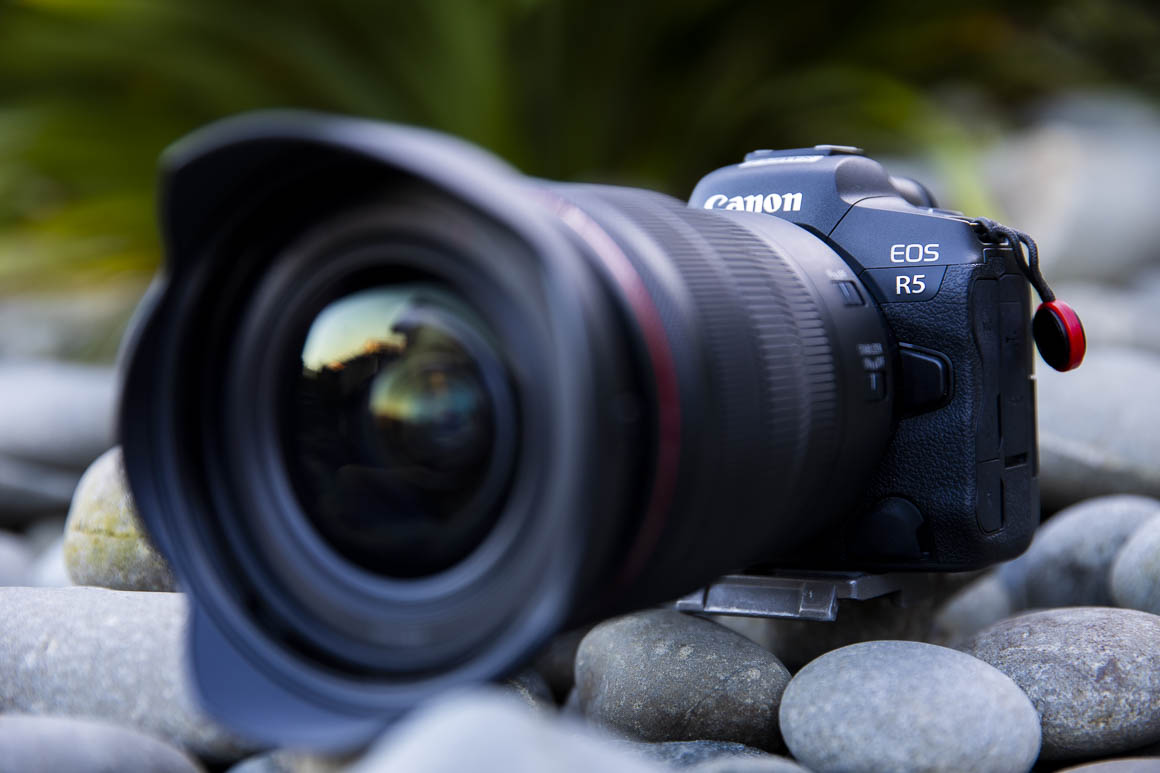
A few months ago now Canon released the EOS R5 – a radical departure from the trusted EOS 5 series I have used since the original EOS 5 film camera I bought back in 1994 (I still have three of them in my collection). The five series has always seemed like Canon's way of introducing new technology and refining it before it made the leap to the EOS 1 – its Formula 1-level pro series press cameras.
And in this regard the R5 makes several giant leaps. It can shoot 8K video, capture action at 20 frames per second and it has done away with the prism and mirror mechanism. That's the bit I have looked through for 26 years – the way I knew I had my images in crisp focus and the people in front of me had their eyes open. It was a sound I loved – a distinctive Canon mirror slap.
I've been dreading the new mirrorless trend. Instead of a prism, you're looking at a tiny video screen in the viewfinder. I've struggled to adapt ... until the R5 met my eye. The resolution and lag is so good that it still feels like a prism – even focus is clearly obvious (helped by the most advanced auto-focusing system on the planet).
Then it goes a step further with exposure simulation. Apart from in very glary light, you can see instantly when your shot is blowing out the highlights or if you're undercooking your exposure. The shutter speed and aperture dials are similarly placed to the rest of the EOS 5D lineup albeit on a smaller scale. Adjustments come intuitively and so fast. They've added a great big ISO dial to the back right shoulder as well. At first I thought this seemed likely to get bumped, but in shooting mode it actually gives you the all important third variable for your exposures – I never realised how often I shift my ISO around. Using all three is so simple and intuitive you're very quickly nailing every exposure, even when shooting in two distinct lighting spaces.
Review can also be done through the viewfinder. I didn't think I'd use this, but actually, it's quite amazing and means you're always ready to shoot in an action situation.
The real cleverness in the new technology means the sensor can move forward in the camera body and this has allowed for significant advancements in lens technology. While you can use an adapter for the full-frame EF lenses, the new RF lenses have been able to drastically reduce the aberration and distortion that's typical at the edge of the frame – especially when using wide lenses. Overcoming this design hurdle has meant the new lenses are even sharper than before and right out to the edges. At $5k a pop though, you're suddenly looking at a pretty big investment to move to a full RF kit. For most pros that will be a must.
Canon loves to lead in the technology space and has copped a lot of flack over the past four years for not answering Sony's and Nikon's shift to mirrorless semi-pro cameras. The EOS R5 sets the record straight ... for now at least.
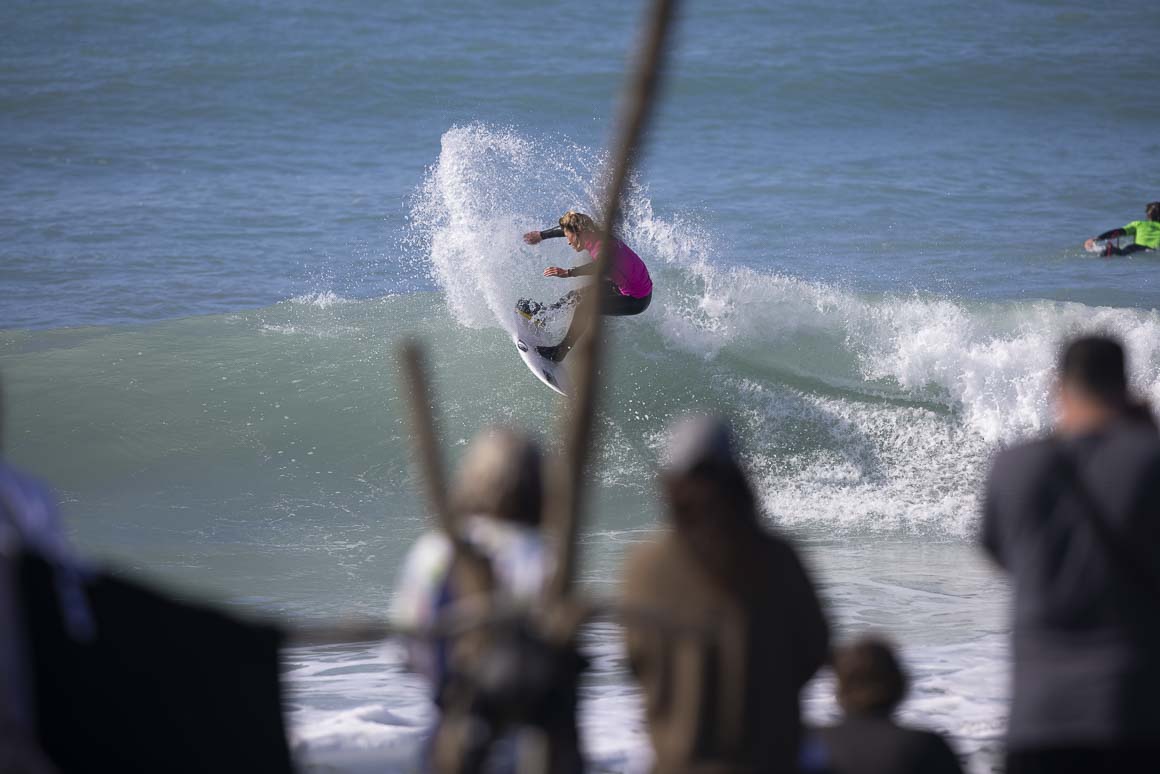
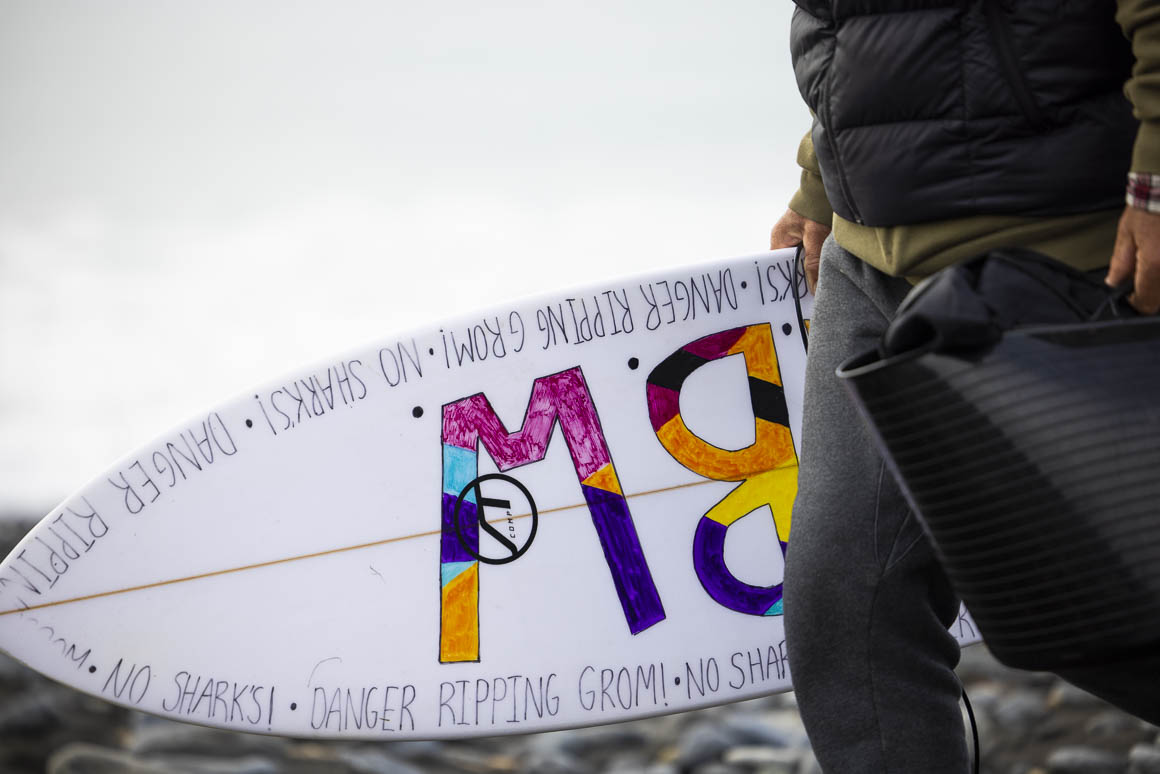
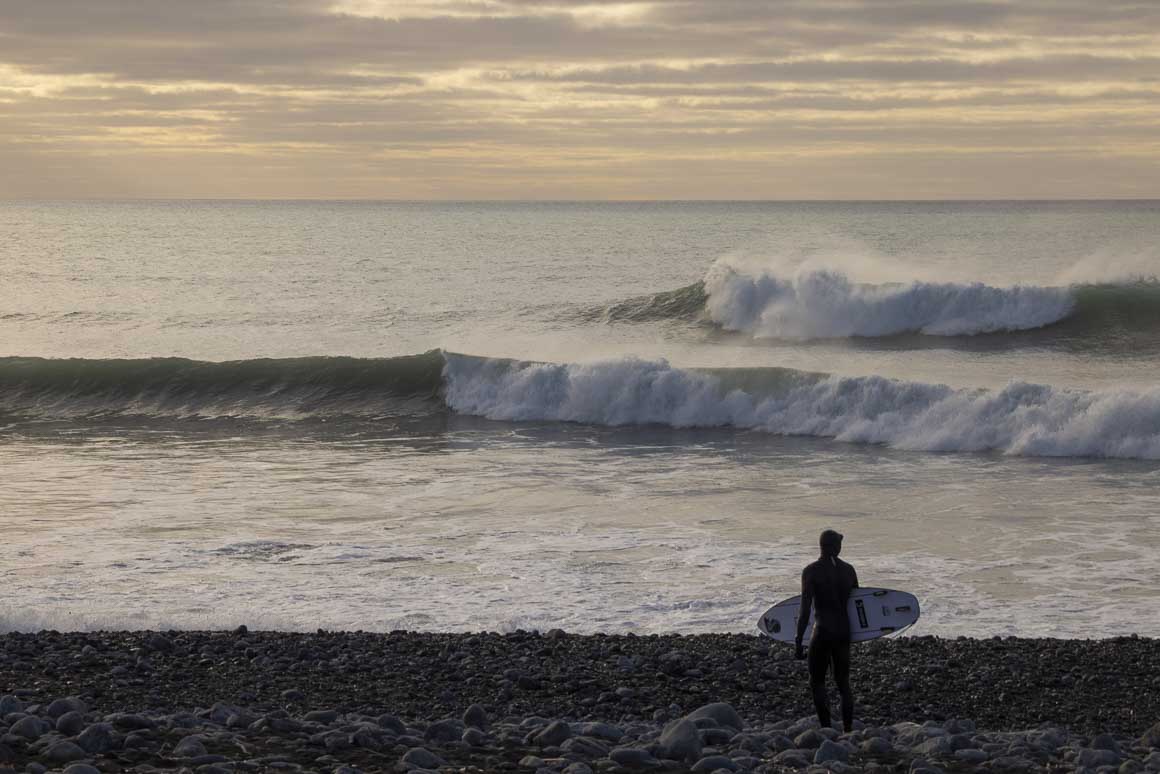
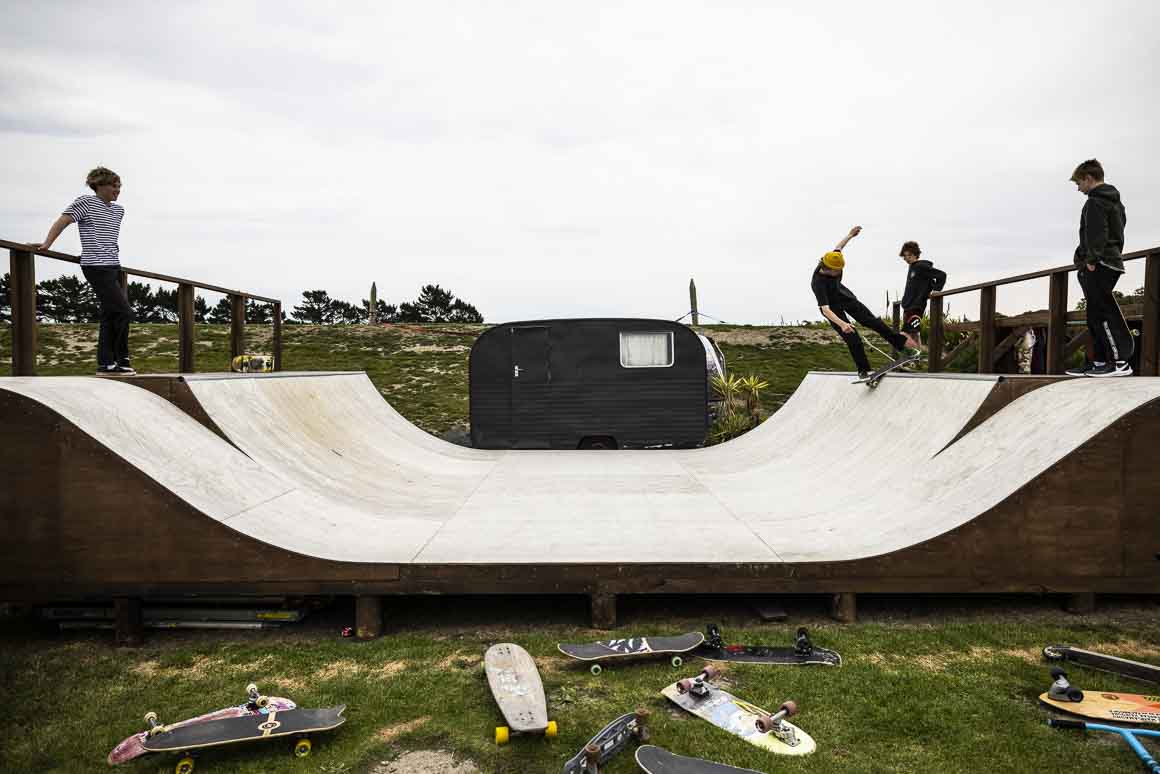
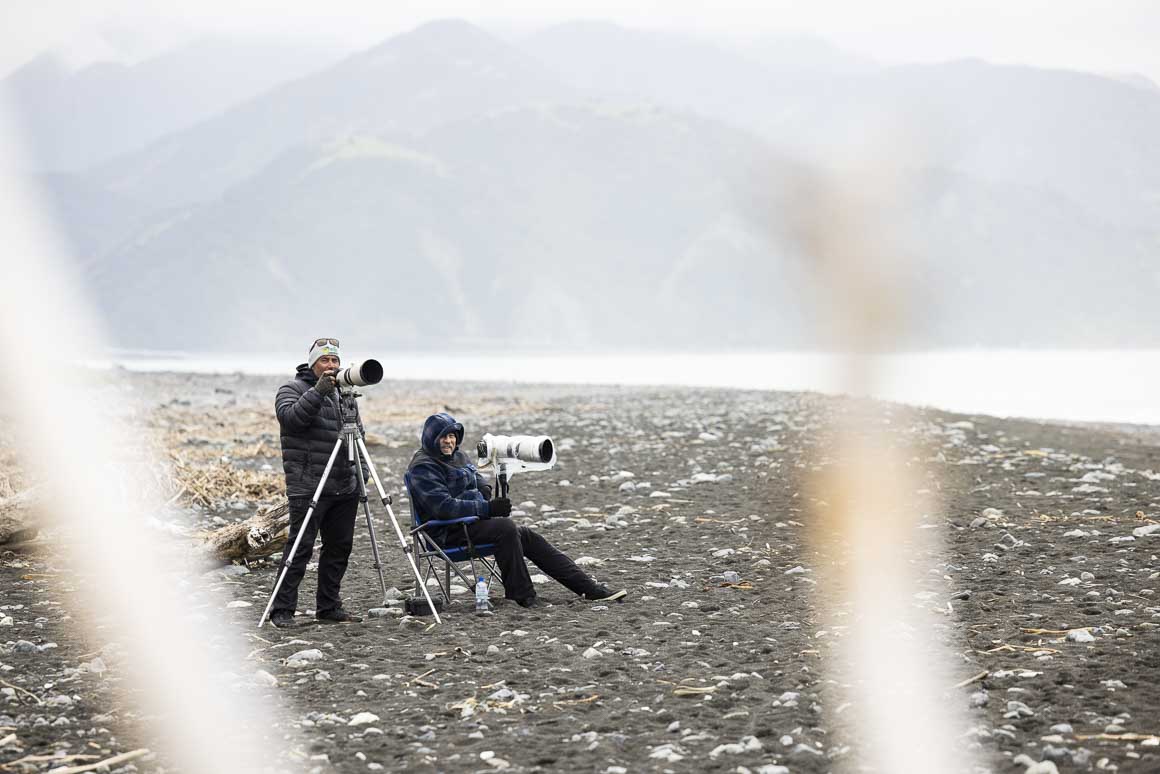
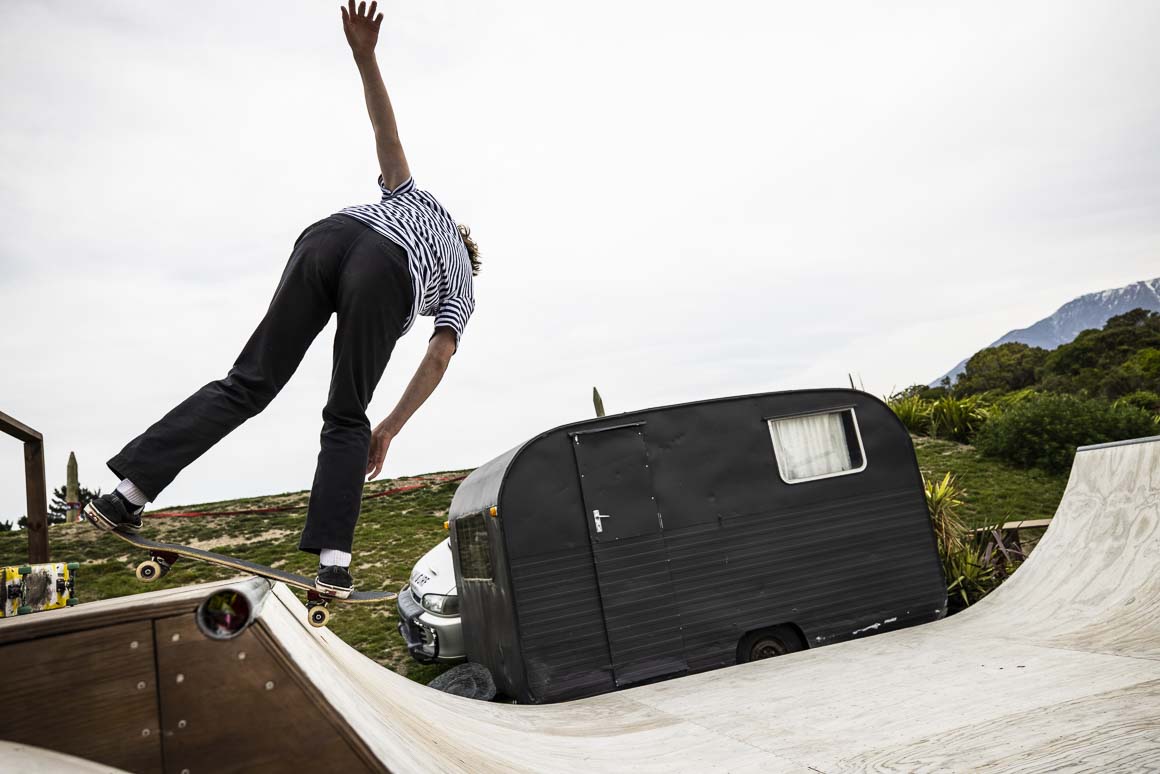
This week we share a few more images, mostly taken with the EOS R5, from our time in Kaikoura. Enjoy.
See you at the beach ... Derek
PS You may have heard that after 60 years of documenting the culture, Surfer magazine closed its doors. Started by John Severson in 1960, the magazine captured the emerging culture and championed it right through to last week. In this article Craig Levers looks at how surf magazines ran aground amid the biggest boom in surfing since the mid-'90s.
PPS Want to win a Hughes Surfboard? Of course you do. Here's how.







Proudly supported by: