
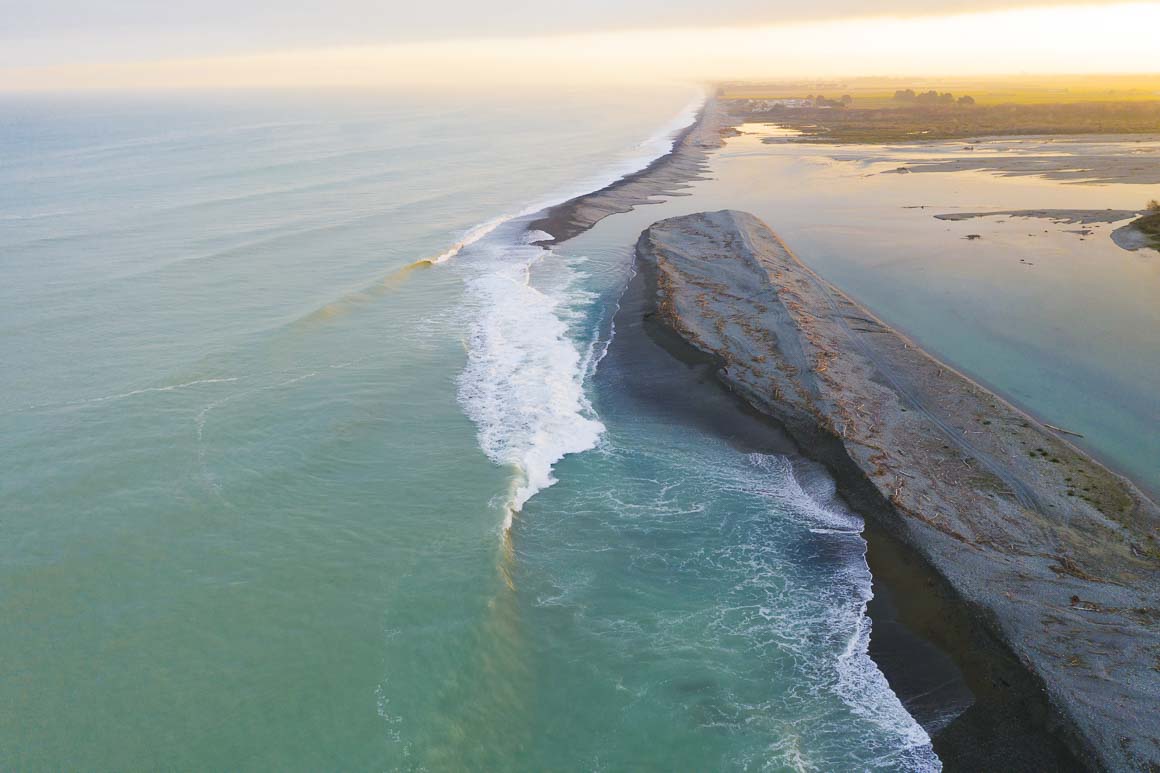
I'm the guy who likes to press my face against the window in the aeroplane. I fly quite a lot and I can never get enough of the window seat. My ultimate legs in New Zealand are over the Southern Alps, the mountains of the North Island and, of course, any waves. Raglan is usually on my flight paths to Auckland and the north coast of Dunedin often features on my descent back home. When they're pumping I have to be careful not to drool.
So I may be a latecomer to the drone world, but I've visualised it enough over the years to earn some small wings. Technically drones haven't been much chop for stills. They have small cameras with small lenses and small sensors. That means pretty low-resolution images. A long way from the 50mp images I get from my DSLR. But getting my almost 2kg lens and body into the air is no easy feat. Usually I need a helicopter. That's still my preference, but my budget doesn't always stretch.
For filming, which is increasingly becoming a bigger part of my photography work these days, they're unbelievably well-crafted machines. Mine is the latest drone from DJI and shoots a 20mp still with its Hasselblad camera. It films in 4K. It's incredible to fly and finding a composition is addictive when you realise you can truly position in any spot you like. I'm working on the file capture sizes and hope to be able to develop a way to produce some gallery-worthy images soon. I'm learning that the deeper you dive into a drone like this the more there is to discover.
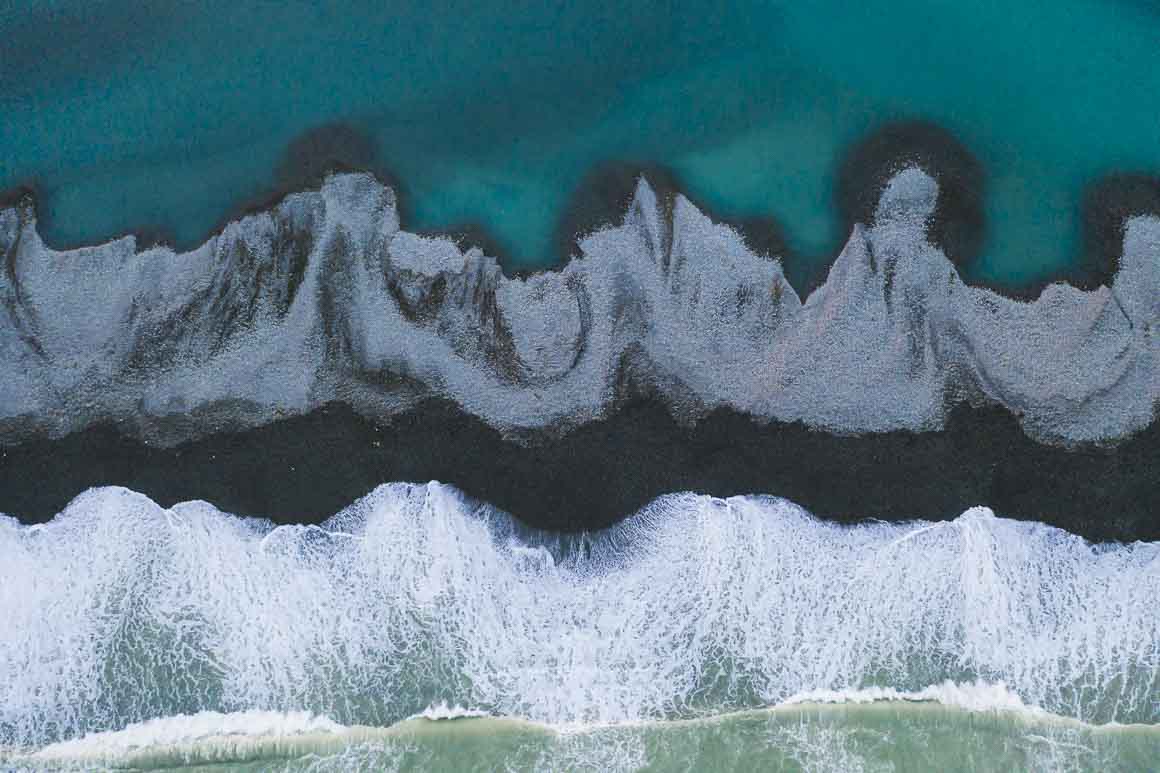
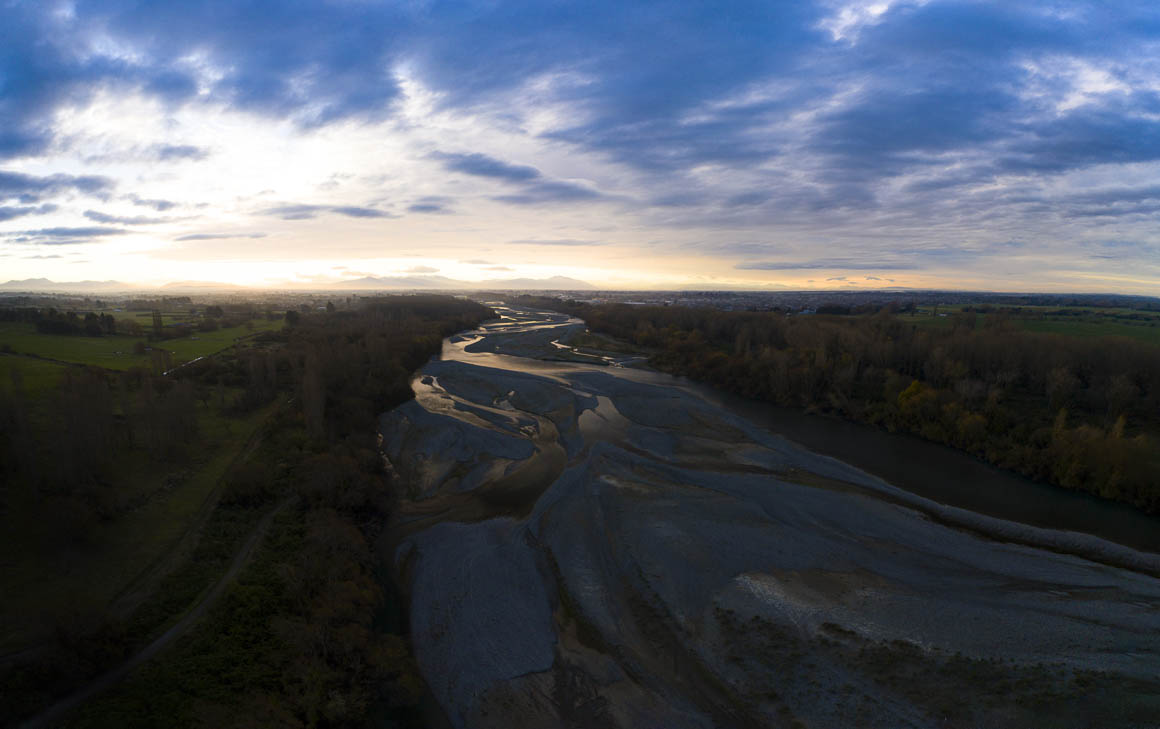
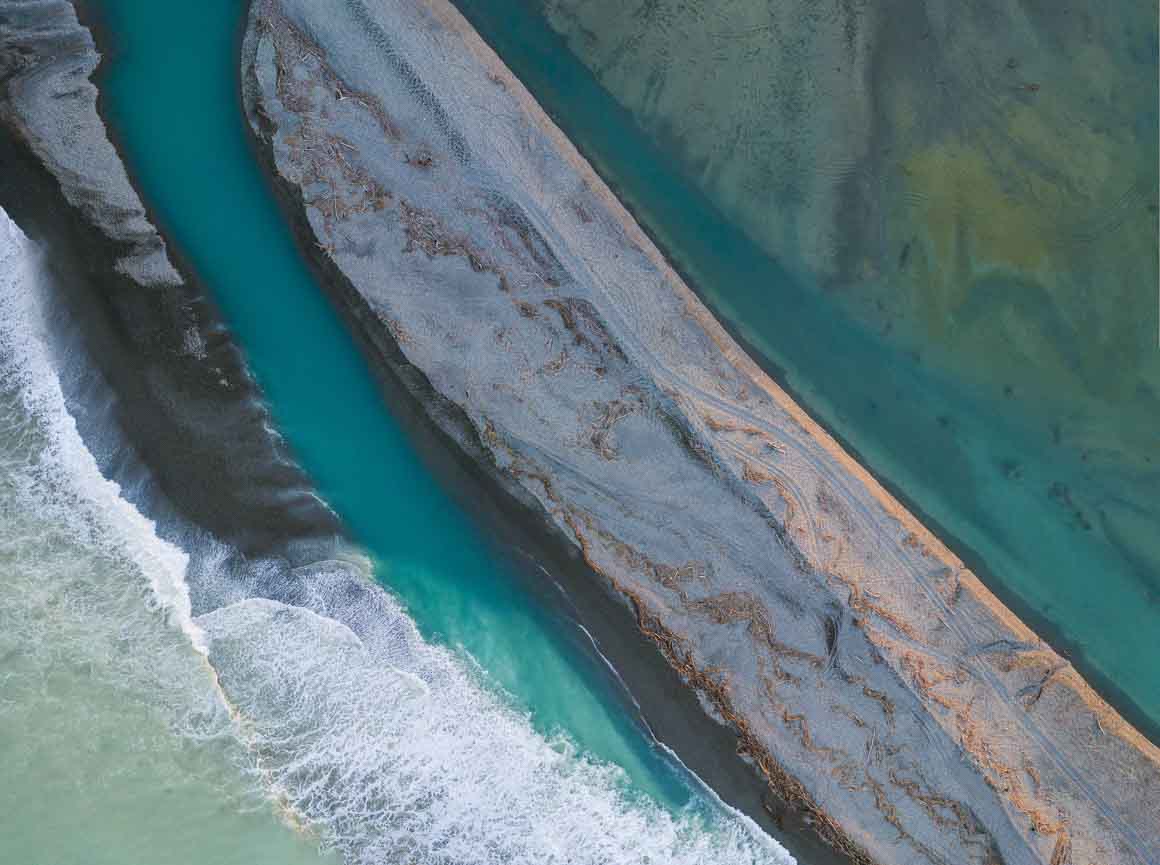
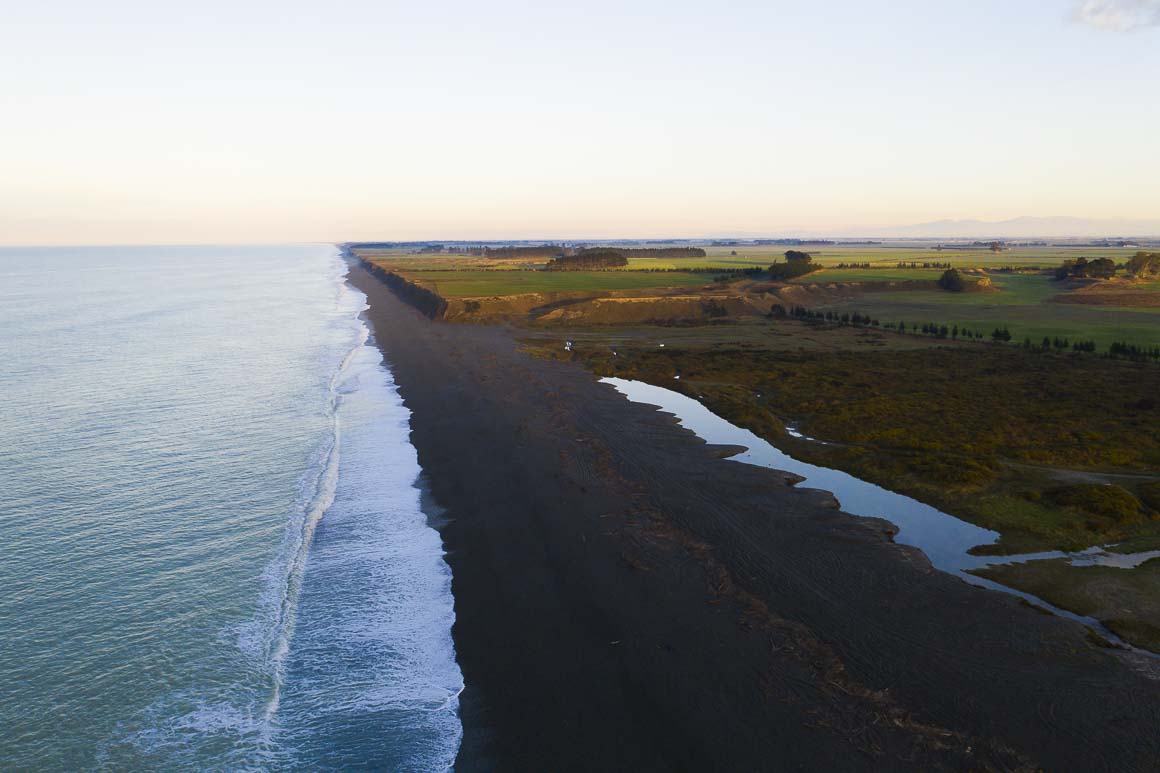
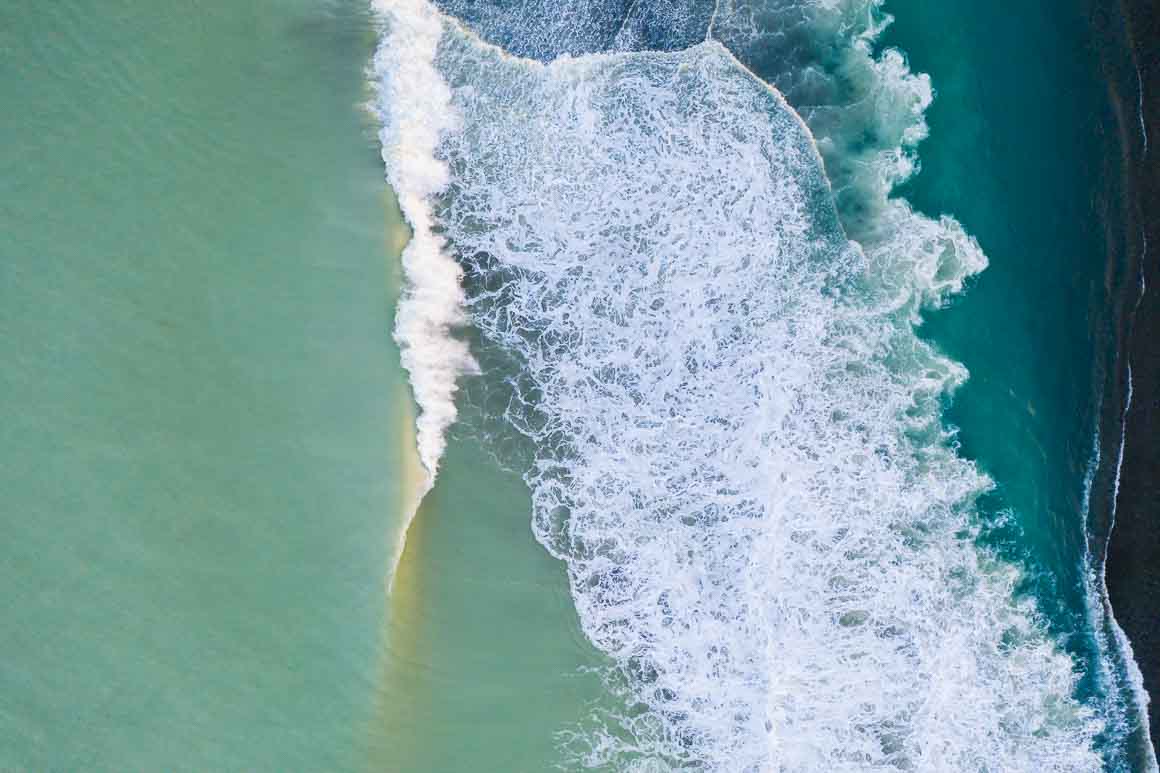
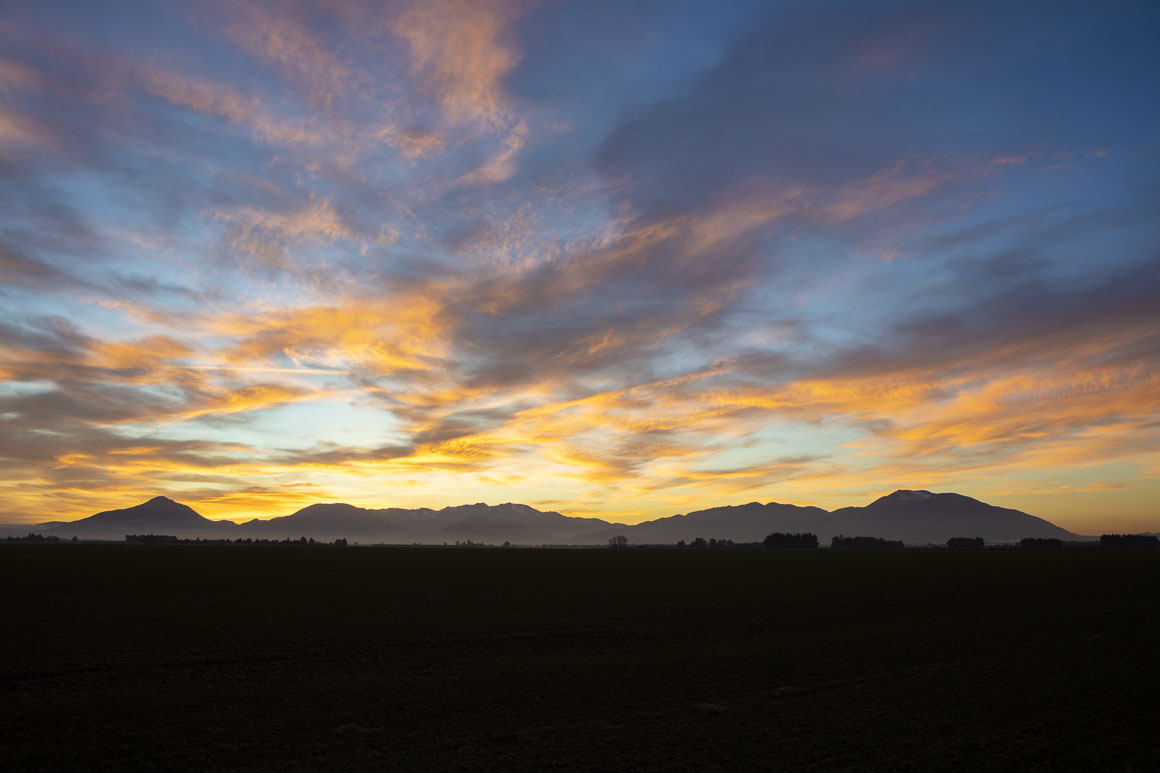
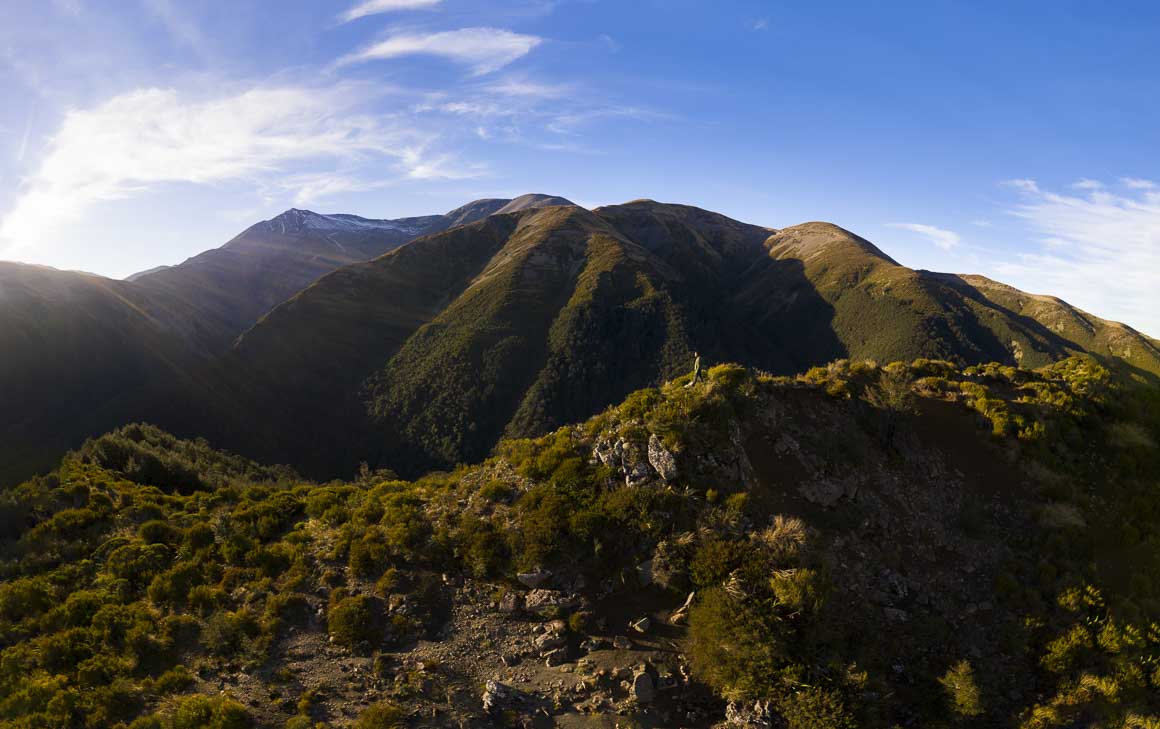
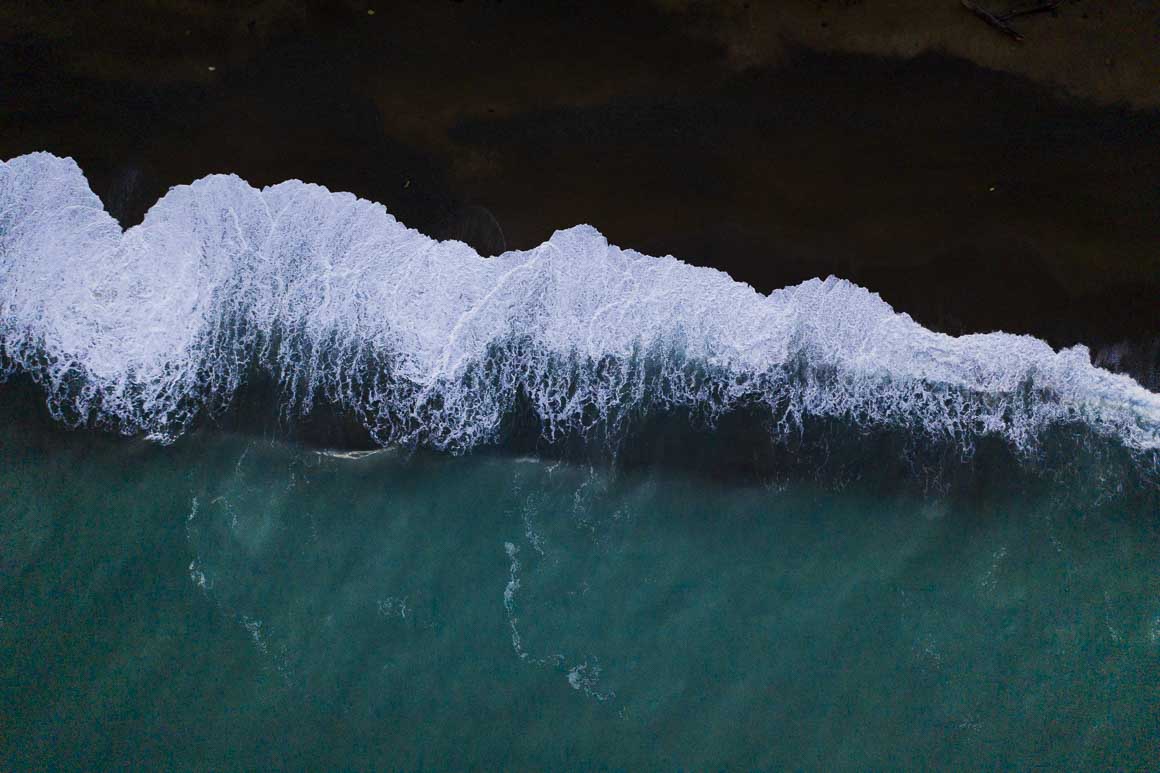
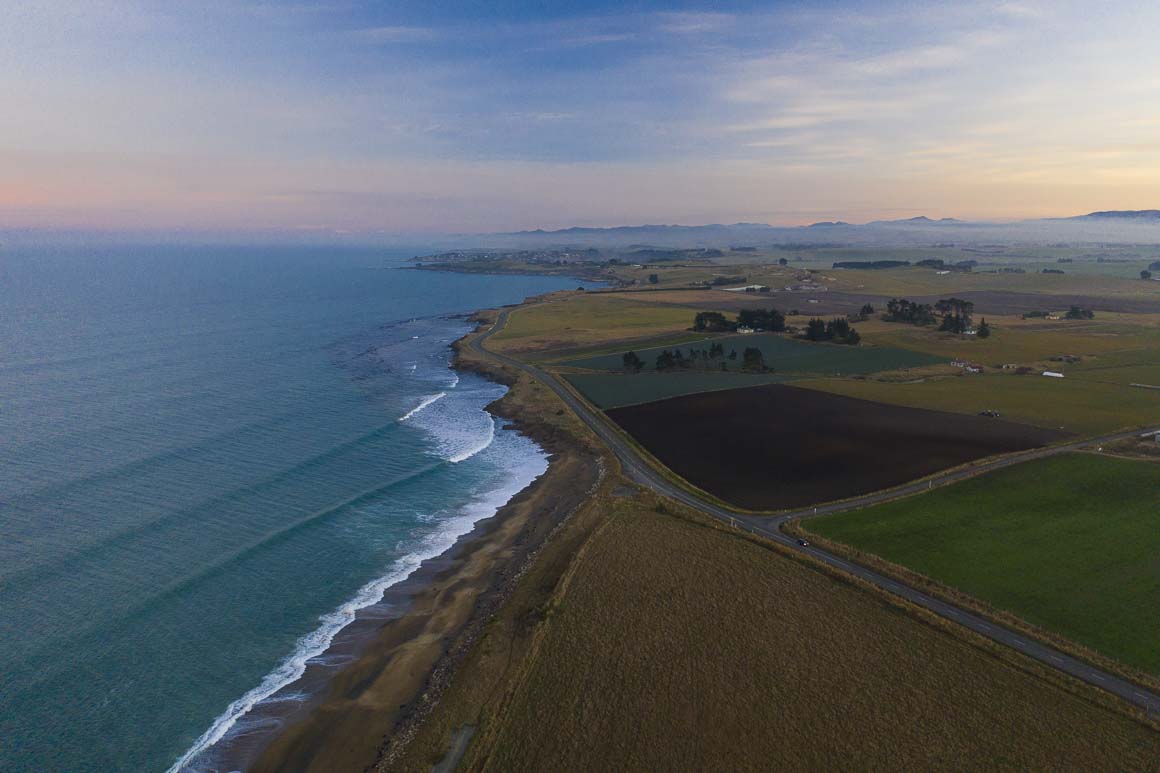
Here's a selection captured while on assignment for a client in Canterbury last week. Enjoy.
See you at the beach ... Derek
PS Austrian oil giant OMV is planning to drill for oil and gas in the Great South Basin (that's our backyard). It's incredibly risky considering the depth and ocean energy there. Remember Deepwater Horizon? That Gulf of Mexico oil well breached on April 20, 2010 and took five months before it could be sealed. During that time it spewed an estimated 780,000 cubic metres of oil into the Gulf of Mexico and is considered to be America's largest ever environmental disaster. We don't need to risk something similar happening here. Submissions closed last night and the company now has 40 days to hold a hearing, which will be our last chance to have our voices heard. You can learn more here. And let's hope it doesn't fall on deaf ears, which looks horrifyingly likely in the Great Australian Bight situation with regulatory authority NOPSEMA delaying its decision until June 27, 2019. Come on, surely we're better than this?


Proudly supported by: