Box of Light is made possible thanks to these visionaries:



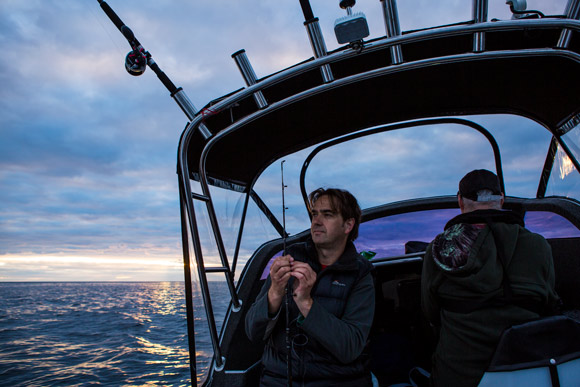
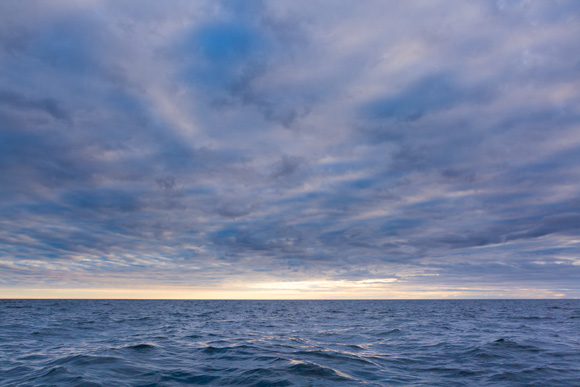
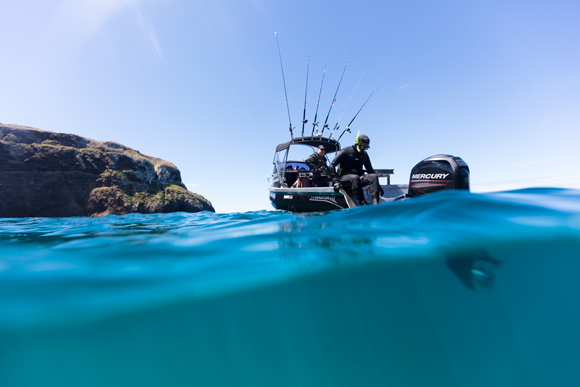
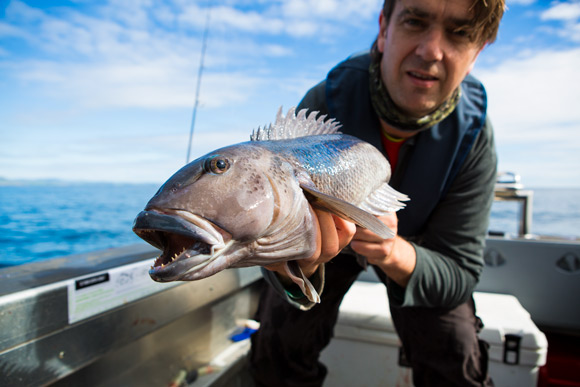
I never knew blue cod grew so big, but sure enough perched on the edge of one of the nine underwater canyons off the east coast of Dunedin they grow like monsters. We pulled in a handful that were 56cm long. That's enough fillets to feed a family. My shipmates aboard the SS Fish Whisperer, Grant and Captain Brent were fizzing as they tried an assortment of lures and baits in the sweetspot of about 500 feet of water in one of the southernmost canyons. This particular canyon plunged from 100m in depth to almost 1200m, but we just simply didn't have enough line on our reels to explore beyond 200m. Even then, hauling up a 56cm blue cod took about 10-minutes and blew your arms. It was enough though to pique my curiosity about this incredible submarine ecosystem just off our coast.
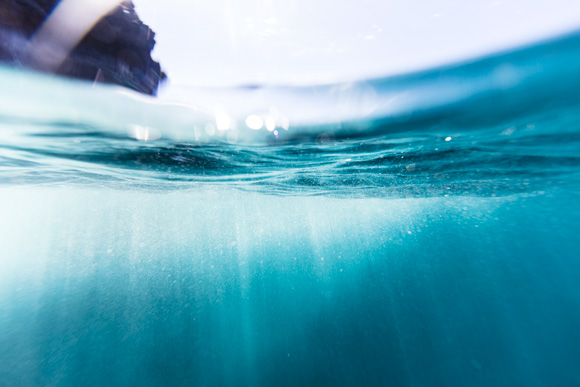
We finished our fishing trip with a quick snorkel near Cape Saunders in an incredibly beautiful bay complete with stunning clear water. The warm weather, calm, flat conditions and intense blues made it feel almost tropical. It's an area renowned for its inquisitive sea lions, but we didn't encounter any. That would come the following evening ...
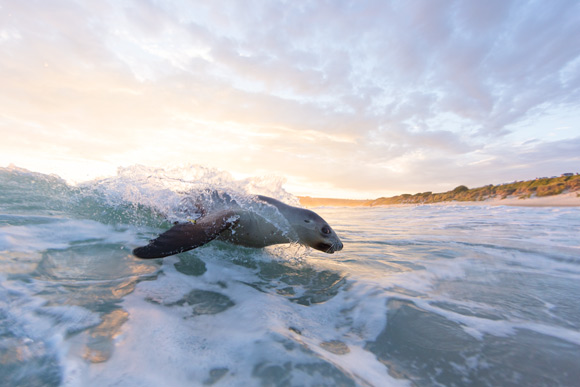
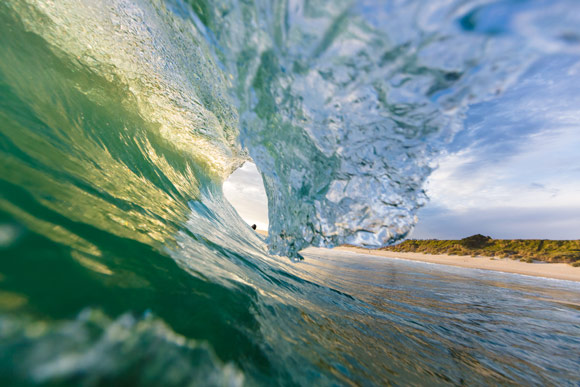
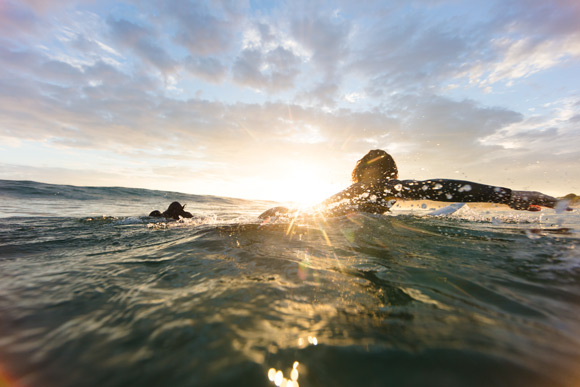
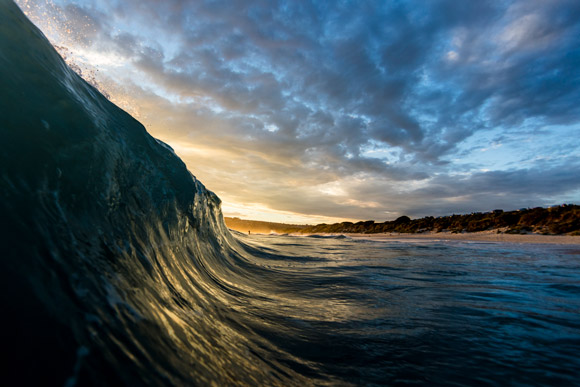
After shooting a few waves with local surfer Elliott Brown on a small rip bowl at St Kilda I found myself lining up some late evening light down the walls by myself. Well, not entirely by myself it seems. Vega is a 3-year-old female sea lion (Phocarctos hookeri) who was born on Smaills Beach in January 2015. She is the first pup of Hiriwa – part of the Dunedin clan that descended from Mum – Mum's now immortalised in a statue at St Clair Beach.
Vega was quite happy to dart in and out of the waves for my lens, coming in super close and leaping out of the walls as if to let me know that this was her peak. I'm pretty fascinated by these creatures and stoked that we are living in a time when they are choosing to live alongside us – the human and sea lion habitat completely overlapping. That's pretty special and according to DOC Coastal Otago ranger Jim Fyfe it's likely to be the new normal.
"There are now 17 adult (4+ years) females, so we are looking forward to a record number of pups this year," explains Jim. "Last year there were 12 pups born around Dunedin. Vega was one of just six pups born in 2015."
Jim said it was important to think carefully about how we interacted with them and advised against approaching them.
"Sea lions are truly in their element when in the water ... they are usually just curious," he shares. "Sea lions approach people in the same way they would approach another sea lion, but they have a way of saying hello that tests your nerves. Once you are approached at close quarters it is important not to engage, even if they are just playing."
"Would you play wrestle with someone who weighed over 200kg?"
"Avoid engaging by not making eye contact and by moving slowly away. Do not race away in a panic, or try to push the sea lion. Stay horizontal in the water and don't be surprised if the sea lion tries to mouth your fins (or the end of your booties) ... ignore him, this is his ploy to get you to engage. Be really boring. The sea lion will divide his attention between everyone in a group, so there will be more time to relax and enjoy the experience if you are surfing with others."
"Some surfers who are familiar with sea lion antics claim there is a local advantage when they turn up during surfing competitions," he laughs.
Sea lions are particularly boisterous during the breeding season which runs from November into January.
See you at the beach ... Derek
PS You can learn more about Vega and her friends by visiting the New Zealand Sea Lion Trust and if you're keen to help see these creatures thrive on our coastline you can support the trust's work right here.


Box of Light is made possible thanks to these visionaries: