
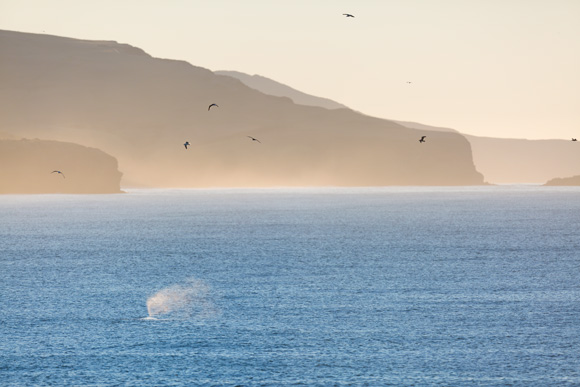
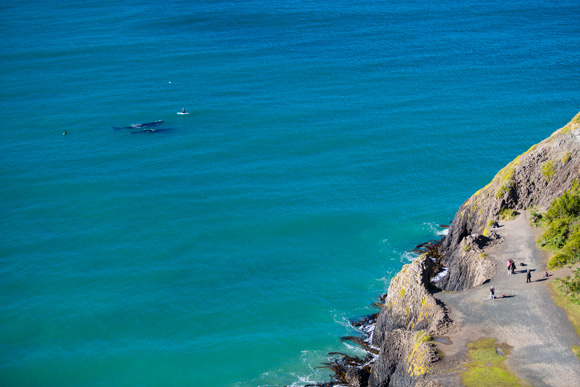
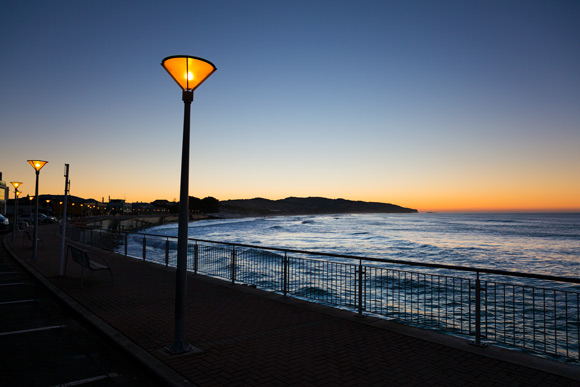
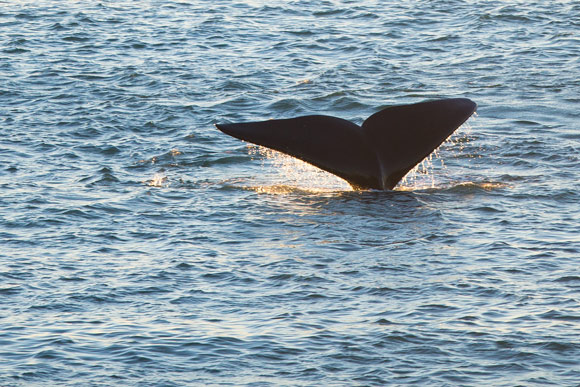
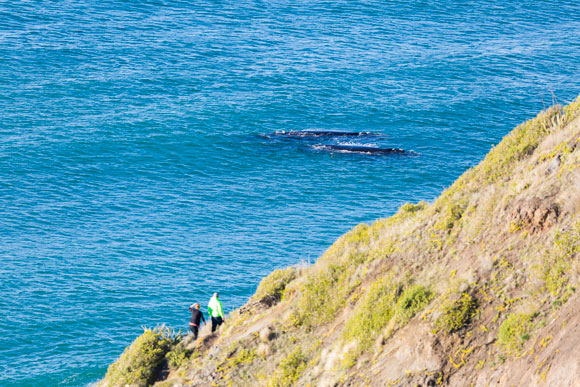
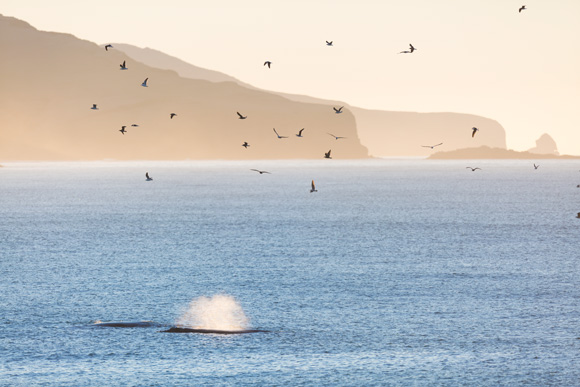
We have had some royalty in town this past week – a pair of tohora – southern right whales (Eubalaena australis) have taken over the coastline between Blackhead and St Clair with lots of time spent cruising in the shallows at Second Beach.
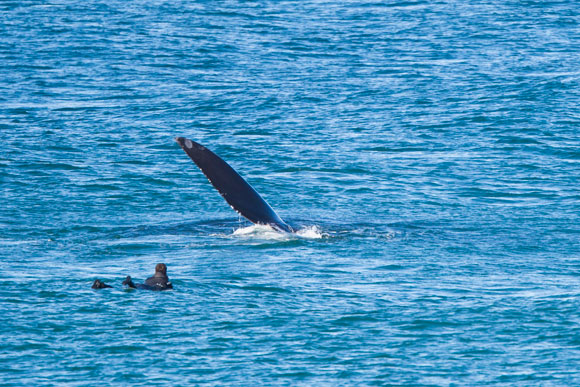
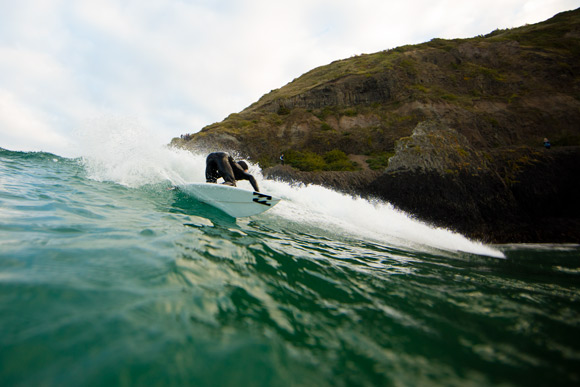
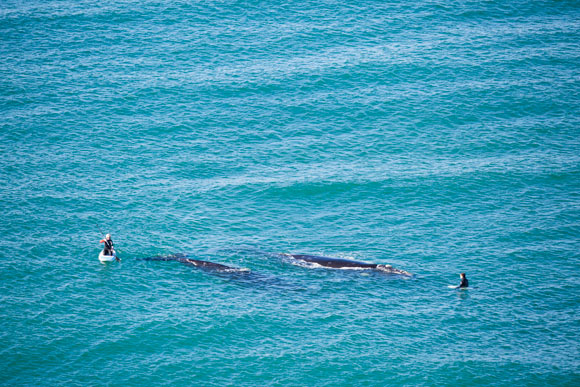
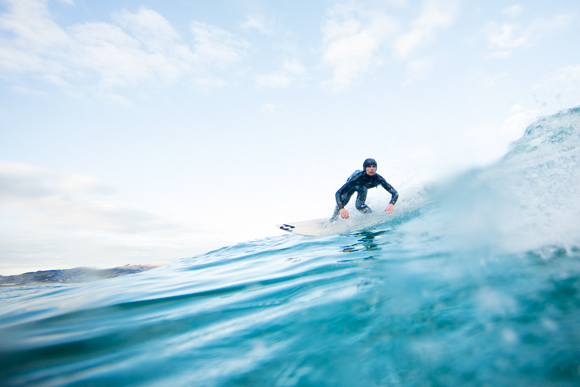
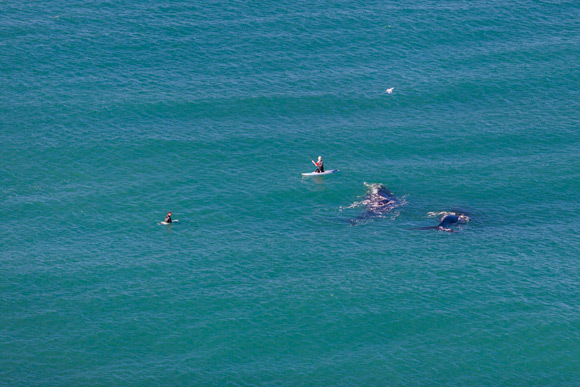
These whales were once hunted to near extinction – that's how they got their common name – they were the "right whale" to hunt. It seems hard to imagine a time when these endearing marine mammals were hunted – the two visiting our shores won over everyone who was lucky enough to see them up close. None got closer than Craig Latta and Sam Todd. The pair were out paddling at Second Beach – Craig on a SUP and Sam on his surfboard, when they encountered the two giants from the deep. I watched from a clifftop – I have seen a few tohora in my time, but most were on a mission up or down the coast, so I was pretty impressed to see these two frolicking for hours at Second Beach and St Clair. Even more intriguing was the reaction of the whales to the surfers. I expected them to move away, but instead they drew closer and closer turning to come face-to-face with them and on several occasions coming to within a metre of the surfers. When the surfers edged away, they hustled back into position – often head-on – as if it was some kind of game.
The surfers got a bit of heat about the encounter, but it's fair to say the two tohora were the ones breaking the "rules of engagement". It is an offence under the Marine Mammals Protection Act 1978 to disturb, harass, harm, injure or kill a whale and it carries up to a $250,000 fine or a two-year jail term. I guess when they enter one of our most popular surf spots of their own volition then it's a slightly different story. However, a bunch of surfers paddling around with these whales still might not be the best idea – their behaviour is consistent with calving, which occurs in winter. With their calves being the most vulnerable to attack by sharks and possibly orca, tohora have been documented seeking shallow coastal waters for birth. Reports of three tohora witnessed cruising around Taieri Mouth for 10 days last winter might also suggest a similar pattern.
The species is migratory and circumpolar – meaning they move between 20°S and 55°S according to the Department of Conservation, which is working to identify the New Zealand population of tohora to learn if it is distinct to the subantarctic populations. The whales are either visiting the mainland of New Zealand from the subantarctic population and recolonising our waters or they may be a separate population altogether.
Either way, the population and frequency of sightings around New Zealand is increasing, so the post-work rush to the coastline of these past five days, may just become a regular winter occurence of whale watching. I certainly hope these gentle giants continue to visit our bays.
See you at the beach ... Derek
PS Want to learn more about our 11-18m-long friends? Visit the Department of Conservation website here.


Proudly supported by: