Box of Light is made possible thanks to these visionaries:



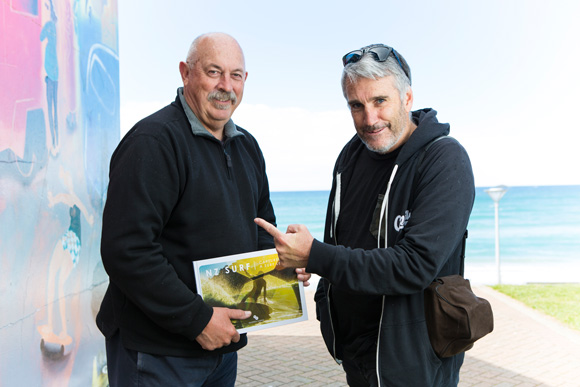
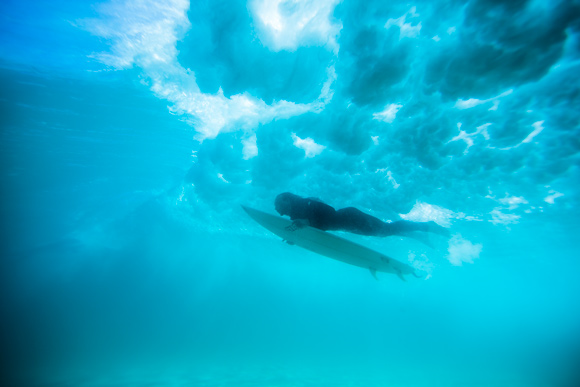
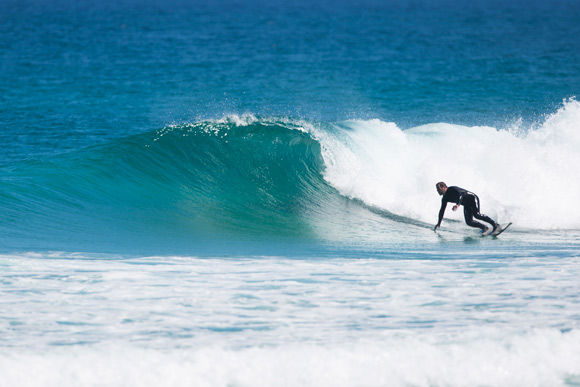
Back in 1966 a 13-year-old Christchurch boy stared out to sea and decided that surfing was going to become a part of his life. That boy was Warren Hawke. Photography soon consumed him and nearly 50 years later he is one of New Zealand’s best surf photographers and still chasing swells from his Christchurch base. He has just released his book entitled NZ SURF: Captured By A Surf Lens.
“My first board was a 6-foot belly board, which we used to stand on and then I got a 9’3” Douglas Surfboard, which one of the guys who worked for Quane Surfboards made. It was actually polystyrene and it was superlight, so everybody said I was disadvantaged,” Warren explains with a hearty laugh.
Warren was a natural sportsman playing rugby and then league and basketball until surfing took over.
“We never had wetsuits in those days – we’d surf in boardshorts and a woollen jersey with the sleeves cut-off. There wasn’t a great deal of surf fashion then so my mum used to keep busy making my shorts.”
With 48 years of skin in the game Warren, now 61, has seen some pretty amazing transformations in the sport.
“I’ve certainly seen boards change a lot. I remember when I ordered my first new board in 1967 they were just starting to get shorter. I ordered a Quane 8’9” V-bottom, but the surfboard factory closed up for a month over Christmas and by the time I got it that board was almost out of fashion – in that timeframe alone boards had dropped down another six-inches. It felt like they were losing another six-inches every three to four months.”
Along with changes to surfing he witnessed some of surf photography’s most monumental changes as the technology evolved to the high-quality digital Canon cameras he uses today.
“I started off with a 400mm safari lens, a tripod and a camera that I bought with my holiday job money when I was a student. The photography took over and I was shooting more and more. To get the best shots I had to shoot the best surfers and the best surf, so by the time I got to surf the onshore was usually coming up, the tide had moved off the bank and I was getting second-rate waves,” he smiles.
Warren also bought a Nikonos II in the ’70s.
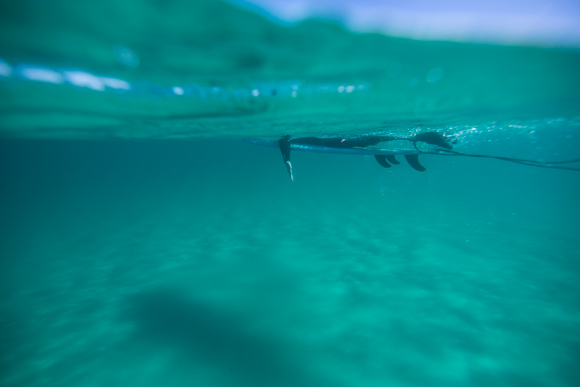
“I used that to shoot in the water for about 15 years before my brother made me a housing. I butchered that over the next 20 years to fit the different cameras I had.”
Warren recalled Mike Spence and Logan Murray also shooting from the water in the early days.
“You only ever got one shot of the surfer coming towards you with the Nikonos because they’d be gone by the time you'd wound them on,” he laughs.
He said surfing had stepped up in the past 10 years in terms of the types of waves being ridden.
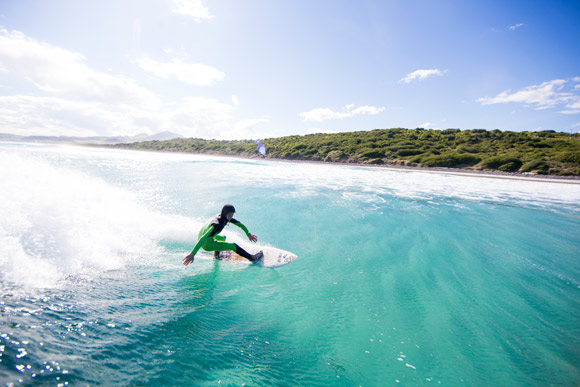
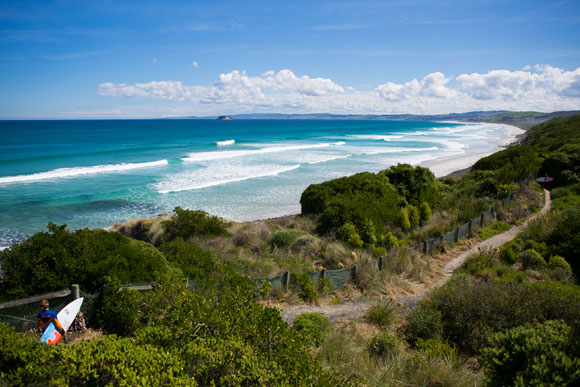
“We’re surfing more and more inaccessible waves – waves that would never have been surfed and taking some real risks to get to some amazing places. If you can get there to photograph them then the shots are just out of this world.”
Warren said NZ SURF: Captured By A Surf Lens covered many aspects of his surfing life and of his journey with photography. He is extremely happy to featurte a chapter on the late Al Byrne.
"I had done an interview with him in 2012 and I’d known him since 1975 and had a lot of respect for him. He is probably the only surfer in surfing history to win the Pipeline Masters, but not get placed first,” he explains.
Alongside his photography Warren was employed as a teacher and school principal for the past 20 years until he retired three years ago. He plans to be shooting the New Zealand coastline for many more years to come.
For a sneak peek of NZ SURF: Captured By A Surf Lens click here.
See you at the beach … Derek
PS We keep getting asked about the totally rebuilt Canon 7D MkII, which is in stores this week. We’ve had a quick play and really love the new operating system (a la 5D MkIII) and love the 10 frames per second. We’ll be posting a full test soon, but in the meantime find out more here.
Box of Light is made possible thanks to these visionaries: