

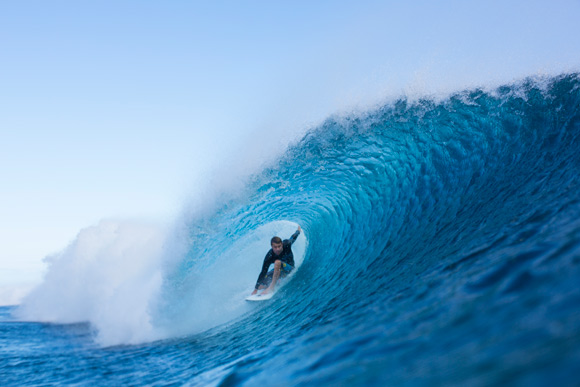
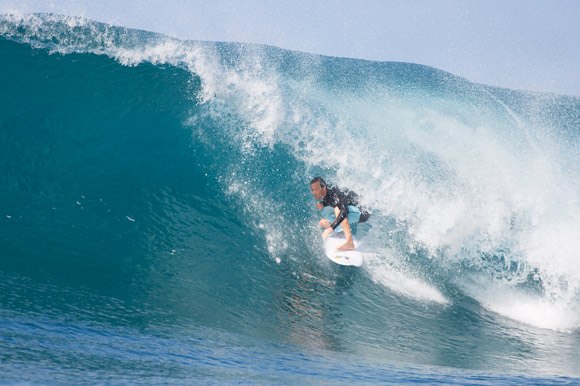
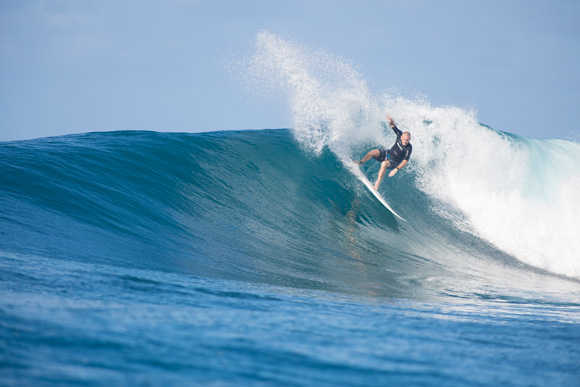
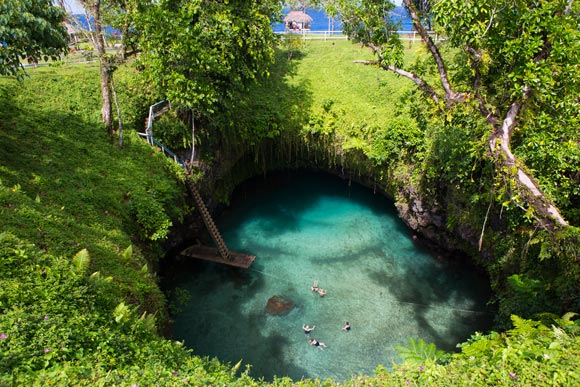
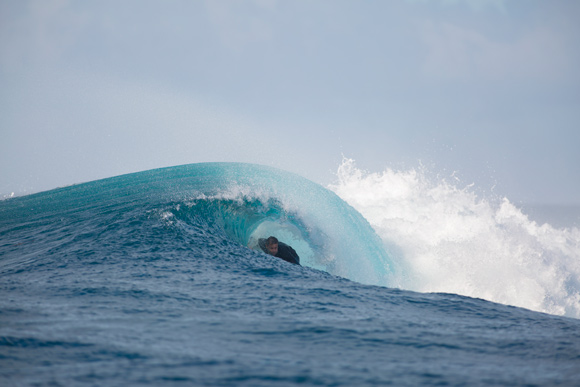
A whole bunch of my mates and I turned 40 this year and so we decided to celebrate like everyone should: feasting on surf on a tropical island. We chose Salani Surf Resort in Samoa – mainly because only a few of us had ever travelled here and it's so close to New Zealand. It was a good call. This place has an abundance of waves and even has options for when the tradewinds blow.
It would be hard to tell that we're a bunch of 40-year-old surfers – the chance to surf as often and whenever we like just doesn't happen as easily as it did when we were single and responsible for zilch. Life has derailed any notion of a three-surf day. So give us a crew of wave-savvy boatmen at our beck and call, food and refreshments on demand and a solid south swell as the only thought on our minds and we quickly transform into over-excited grommets.
This was evident in all our actions – the hurried breakfasts before the sun rose, the sneaking around early trying to convince the boatmen to take us out before the rest of the lads awoke, the antics in the surf, the sleepless nights of anticipation and the three-hour sessions followed by an hour of eating followed by another three-hour session.
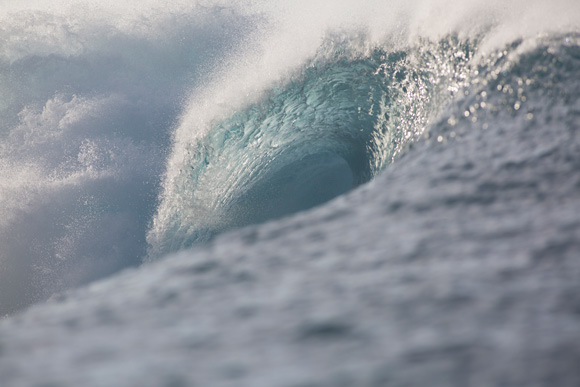
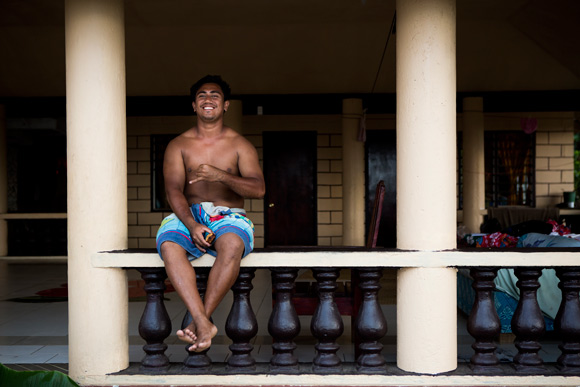
There is no doubt about the quality of waves on offer along this stretch of coastline and we've just scratched the surface of possibility. But there is another part to the Salani story that makes this a special place to visit beyond its wave riches – the people.
In September 2009 an earthquake in the Tongan Trench triggered a tsunami which then struck the south east corner of Upolu, Samoa. The village of Salani was right in its path, but quick thinking by locals saw the village evacuated. Remarkably all villagers survived. It was the only village along this area of coast that had no loss of life.
Today the village is a place of laughing, smiling children with villagers busying themselves in their daily routines. Through western eyes it seems a spartan life – jarring even in its simplicity – but look a little closer and you'll discover a simple beauty in this way of life that trumps every facet of western culture. These people are as generous as they are friendly. They make you rethink the priorities in your own life and that's a confronting exercise when you're up to your neck in the modern world. Maybe it's not our future, but there are bits of the Samoan way of life that certainly should be.
See you at the beach ... Derek



Proudly supported by: