Box of Light is made possible thanks to these visionaries:



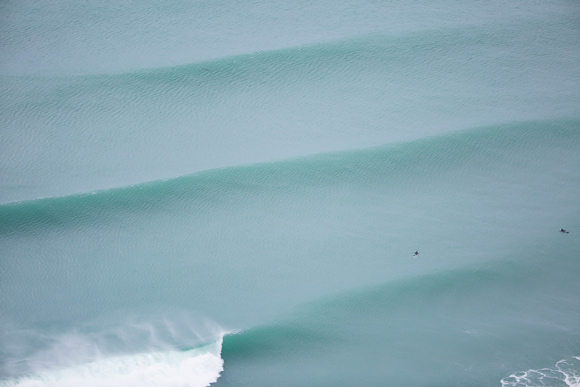
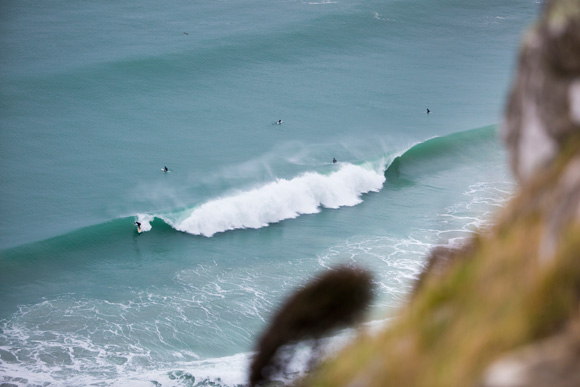
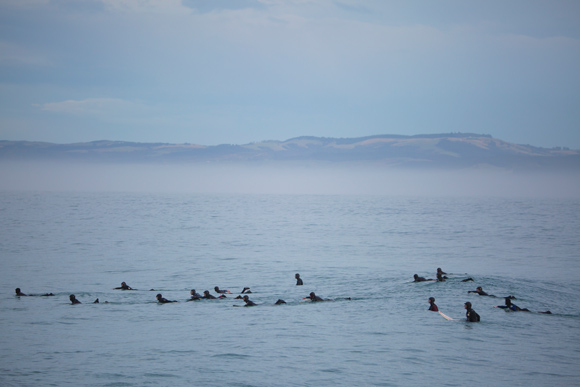
Shark. Say that word among a roomful of surfers and you'll get an instant reaction. Especially in Dunedin. They're everywhere down here: great whites, makos, seven gill and large, graceful blue sharks. In the past two weeks there have been at least two sightings of a shark swimming through the line-up at Whareakeake.
So why have we not had a serious incident here since the late '60s?
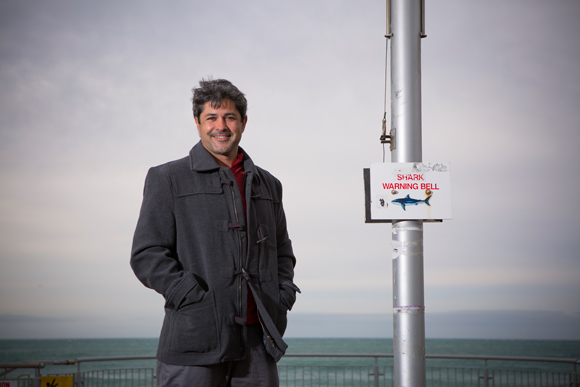
"We know that great whites are not a resident species," offers Ryan Johnson who has researched the species for the past 16 years. "They swim all over the place ... an area that is known to be a great white area just won't always be that way. They're very responsive, particularly to fish movement. We've known a population to concentrate their time 5-20km further along a coastline just because the fish supplies ran down from fishing pressure."
Orginally from Mount Maunganui the 37-year-old said that was a likely scenario for the species in Dunedin waters, but admitted that even globally shark attacks are very rare.
"If you get a spate of three or four attacks then the population can go crazy about it. We have seen that in some areas around the world where a spike occurs and I think that is what the west coast of Australia has just been through."
"Sharks are naturally cautious of other big animals and we've found, through our research, that scuba divers scare them away left, right and centre," he smiles. "Sharks are not attracted to humans. We just aren't on their menu. If we were on their menu then you'd see the amount of attacks rise to the vicinity of 50-60 attacks per day. Instead we're talking about 5-6 shark fatalities worldwide per year."
Of the identified great white attacks, Ryan said that most of them were attributed to mistaken identity or were "curiosity bites".
"They happen in areas of poor water visibility – areas where they do not have all the sensory information required for the shark to conclusively identify its prey. The reason we know this is that they do not consume any meat. They'll come in and bite, then release and disappear. In 95% of great white attacks there is no consumption."
I ask him about the theory that the risk of attack increases at dawn and dusk. I don't get the answer I am looking for:
"This was one of the chapters of my PhD," he smiles. "It was brilliant to observe because we'd tag a shark and follow it in a little boat obseving its movements. The most we got was 106 hours straight."
Over the course of a few years they did this to 15-20 sharks.
"We discovered that during dawn and dusk they'd beeline to the seal island and drop down to 10-12 metres and patrol below the seals where they entered the water," he explains. "After the dawn period they'd go out and start relaxing behind the waves and their activity would drop right down. As dusk came they'd return to the seal island. The windows were 7-9 in the morning and 6-8 in the evening. That was when the light conditions were right for them to detect and get close enough to a seal for a successful attack without the seal seeing them."
Ryan said surfers who encountered sharks in the water had to fight their flight instinct.
"It's very simple to say, but very difficult to do when you are in that situation," he admits. "But the worst thing is to panic and swim away. The great white is like any other predator – if you run that triggers the shark's instinct to pursue prey. It's just like when you throw a stick for a dog. The best thing you can do is to stand your ground. To some extent you should even hop into the water and face the shark down – admittedly that is very hard to do, but it does work. These sharks rely on stealth so once they know they've been detected their behaviour changes completely."
People first started freediving with great whites – without the protection of a cage – around 1995.
"I started doing it around 1998. Since then we've had hundreds of people on thousands of dives with great white sharks in South Africa and we've only had one guy who had his flipper bitten once. That's been enabled because when you are in the water you stand your ground."
Ryan said anyone with an irrational fear of sharks should try to swim with them.
"Swimming with sharks – even if it's not great whites – will help you to understand these creatures better," he smiles. "It's little things, like if you make your body smaller the shark will come closer. If you make your body wider then the shark will stay further away. If you turn your body flat in the water, like most marine animals, then the shark will come closer. Turn vertical in the water and the shark will swim away."
Ryan lives and continues his research from his base in Mossel Bay in South Africa. He was in Dunedin for the New Zealand International Science Festival. Follow more of his adventures with these amazing creatures here.
See you at the beach ... Derek
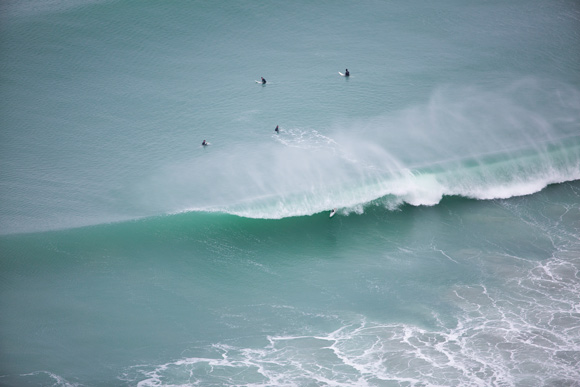
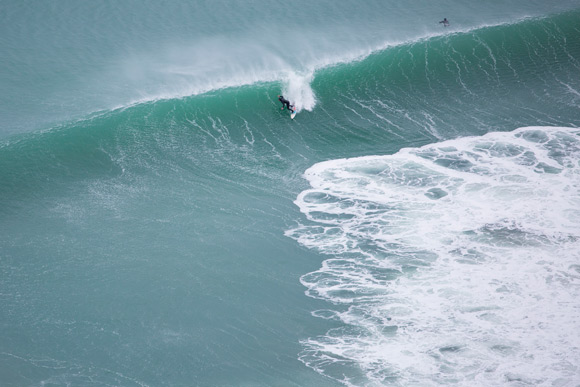
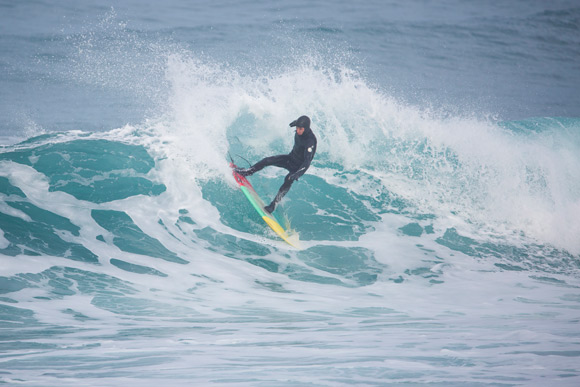
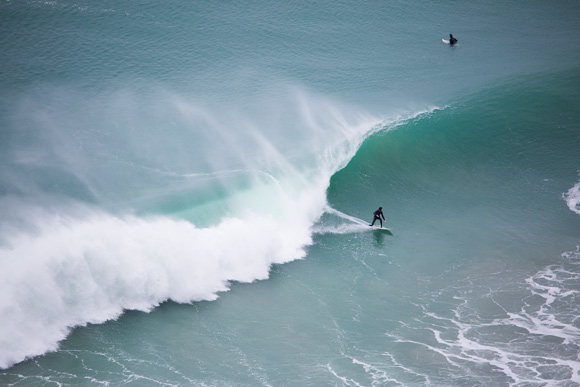
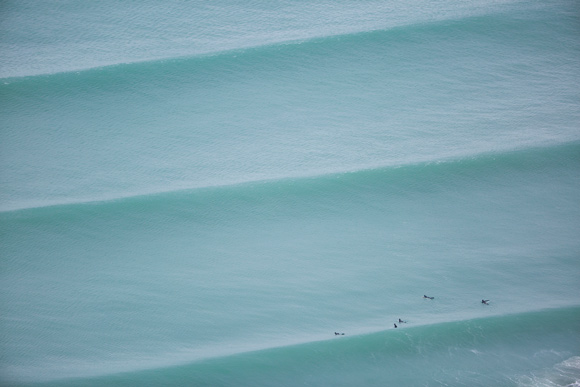
PS We've been testing a new lens from Canon this week – the EF200-400mm f/4L USM with built in EF 1.4x Extender. It effectively gives you a range of 200mm to 560mm ... and it can be handheld. All the action shots in this report are with this new lens ... and yep, as you can tell, we love it.

Box of Light is made possible thanks to these visionaries: